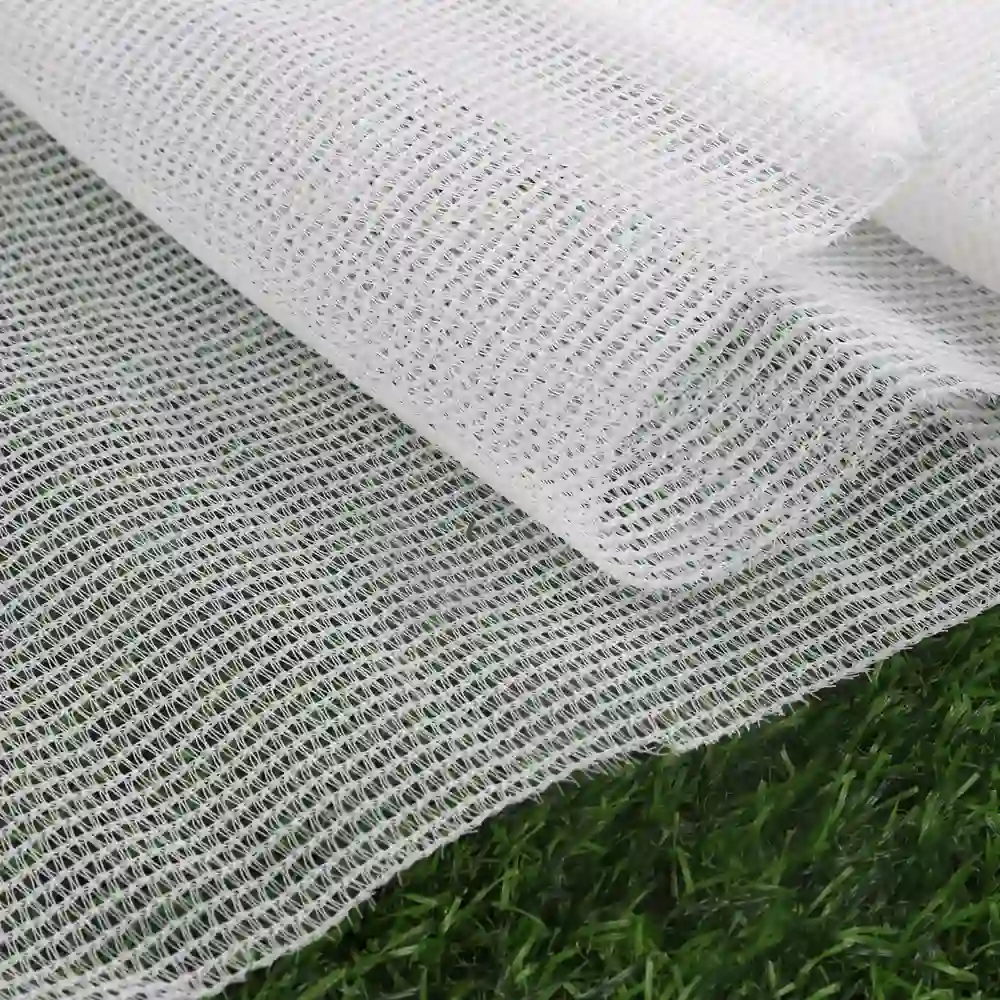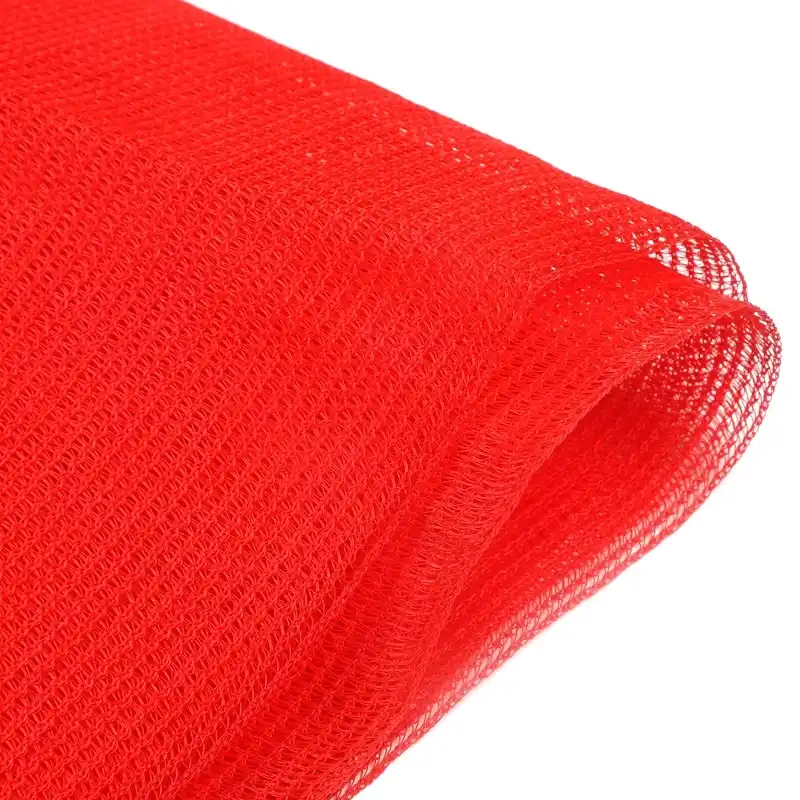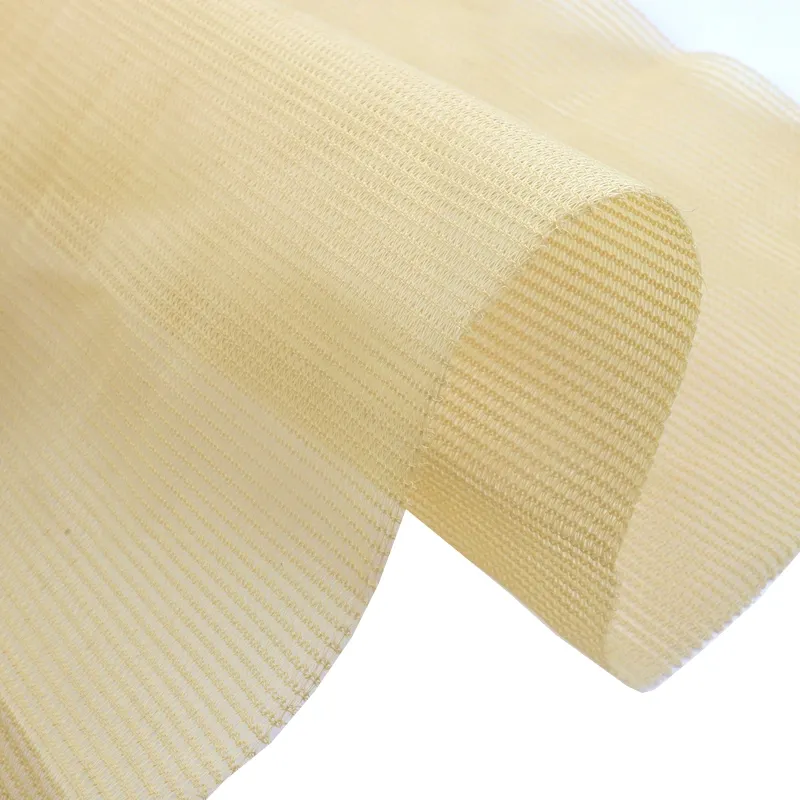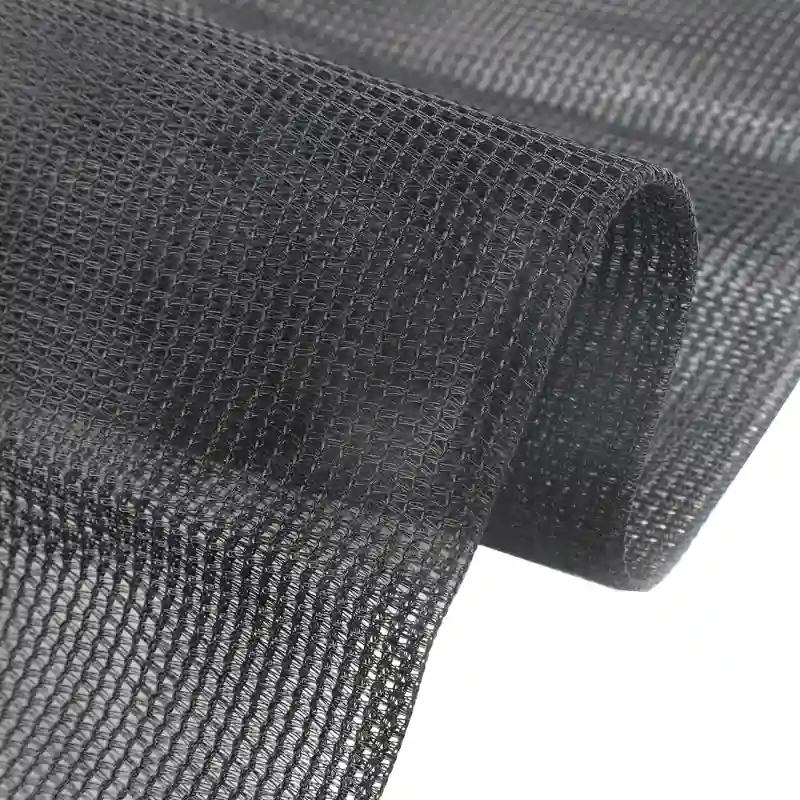
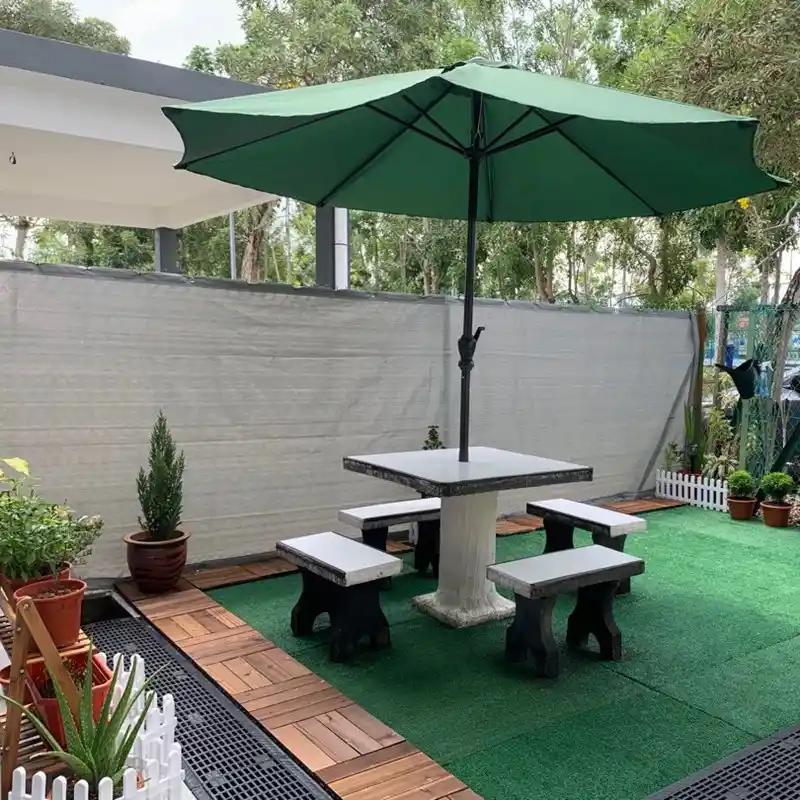
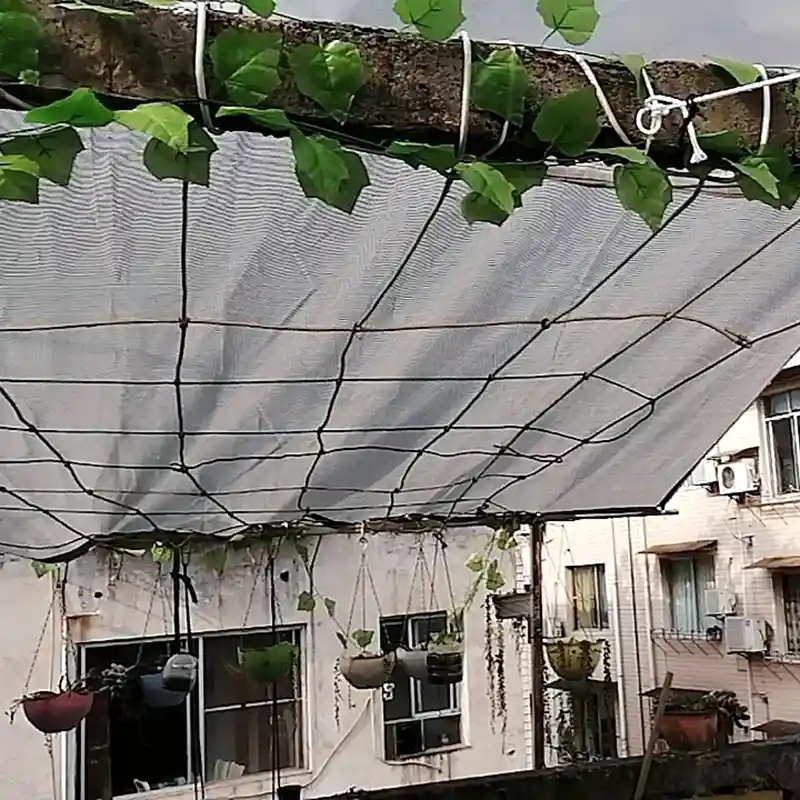
Mono Sunshade Net
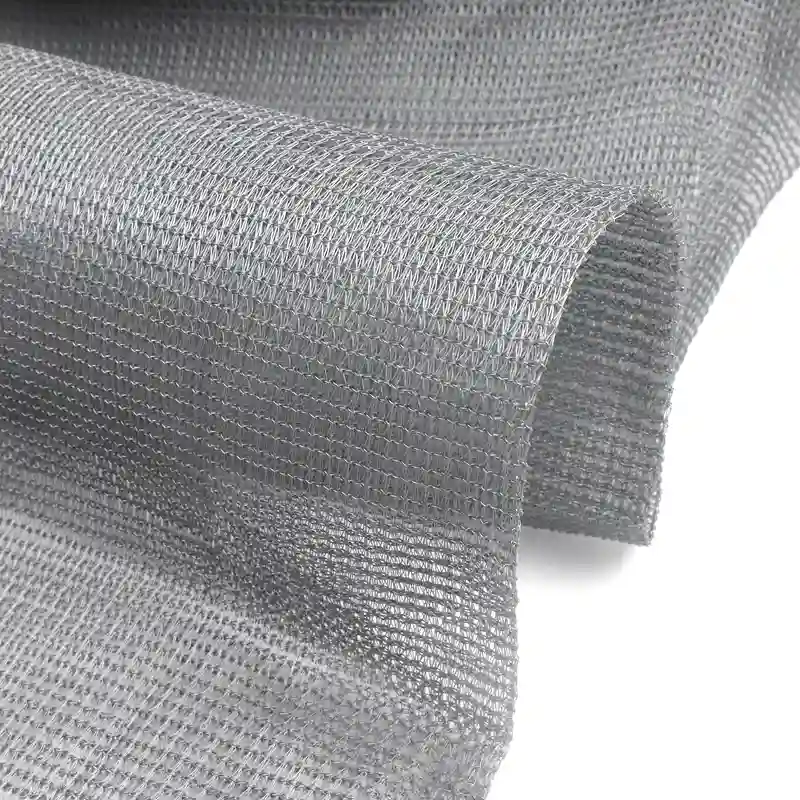
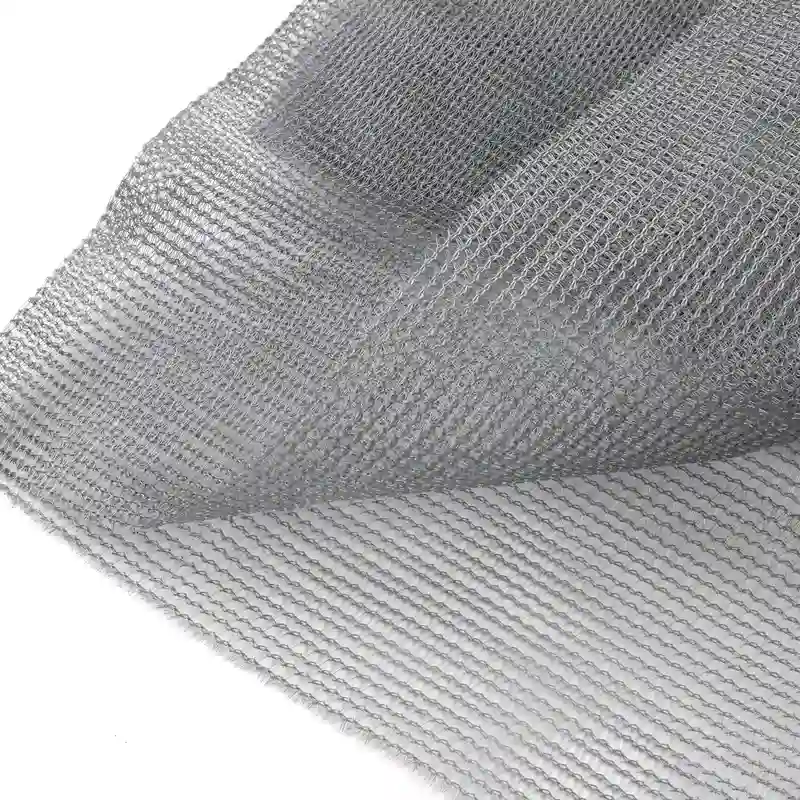
Grey Mono HDPE Shade Screen – Neutral-Toned Universal Shading Solution
-
Many Years Of Production And Manufacturing Experience
-
Direct Sale From The Manufacturer, Discounted Price
-
Virgin Material, Guaranteed Quality
Detailed description
Neutral-Toned Professional Shading for Diverse Applications
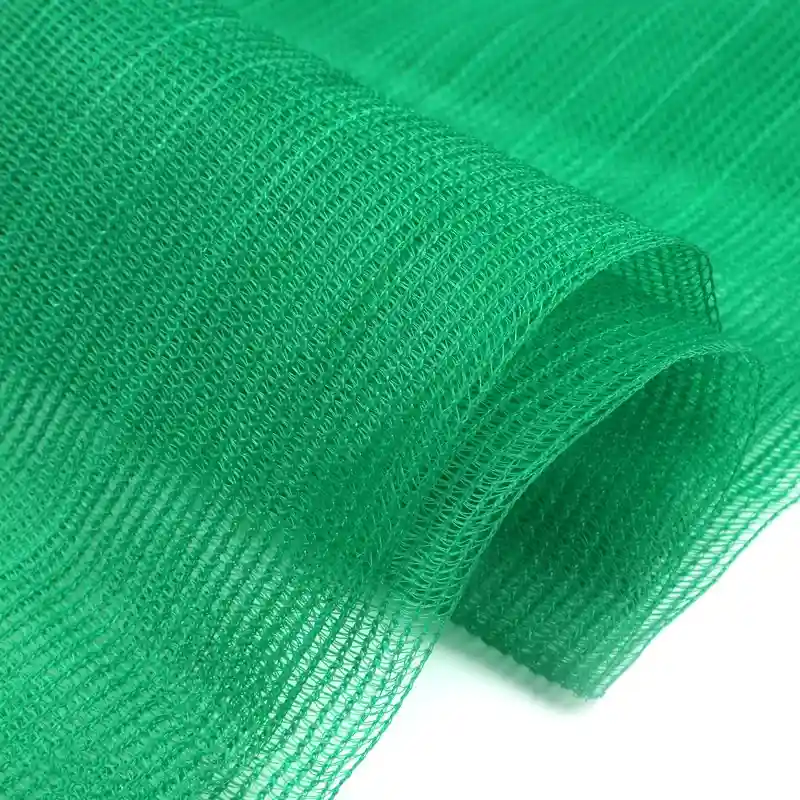
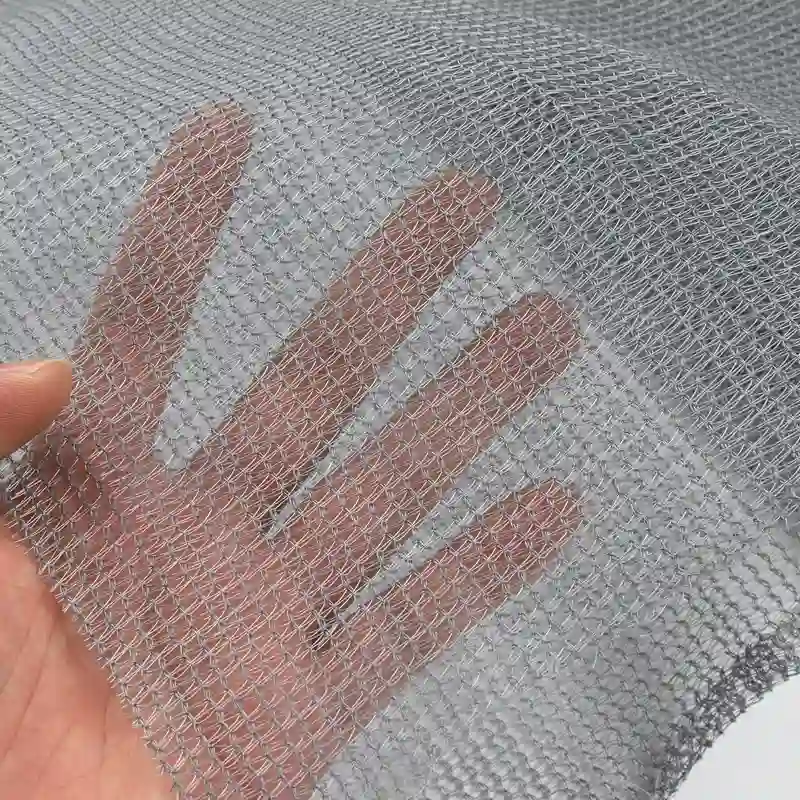
The Grey Mono HDPE Shade Screen represents a versatile, professional-grade shading solution engineered for applications where visual neutrality and balanced light transmission are paramount. Woven from high-density polyethylene round monofilaments in a sophisticated grey tone, this screen provides uniform light diffusion without the color-specific effects of red, white, or black alternatives. Designed for commercial greenhouses, architectural shading, aquaculture, and public infrastructure, it delivers consistent performance, exceptional durability, and a discreet aesthetic that blends seamlessly into diverse environments.


| Parameter | Specification |
| Material | Mono HDPE (High-Density Polyethylene) Fabric |
| Shading Rate | 30% ~ 95% (Customizable) |
| Weight | 50–340 g/m² (for reference) |
| Width | 2m – 8m (Custom widths available) |
| Color | Black / White / Green / Grey / Red (Customizable) |
Core Advantages
🎨 Neutral Aesthetic Integration
- Soft grey hue minimizes visual intrusion in urban, architectural, and natural settings
- Provides a professional, non-distracting appearance for public and commercial spaces
- Ideal for applications where screen visibility should be reduced
☀️ Balanced Light Management
- Offers even light diffusion without significant spectral modification
- Maintains natural light quality while reducing glare and hotspot formation
- Available in 30%-90% shading densities for precise environmental control
🛡️ Superior Durability & Protection
- High-tensile round monofilament construction withstands extreme weather conditions
- UV-stabilized formulation ensures 5-8 years of outdoor service life
- Resistant to saltwater, chemicals, and environmental stressors
🌡️ Effective Climate Control
- Reduces temperatures by 3-7°C through balanced solar radiation management
- Minimizes heat buildup while maintaining adequate light transmission
- Provides wind protection and reduces evaporation rates
Primary Applications
- Compatible with agricultural, aquacultural, architectural, and industrial installations
- Easy to cut, shape, and secure using standard installation methods
- Low maintenance requirements with simple cleaning protocols
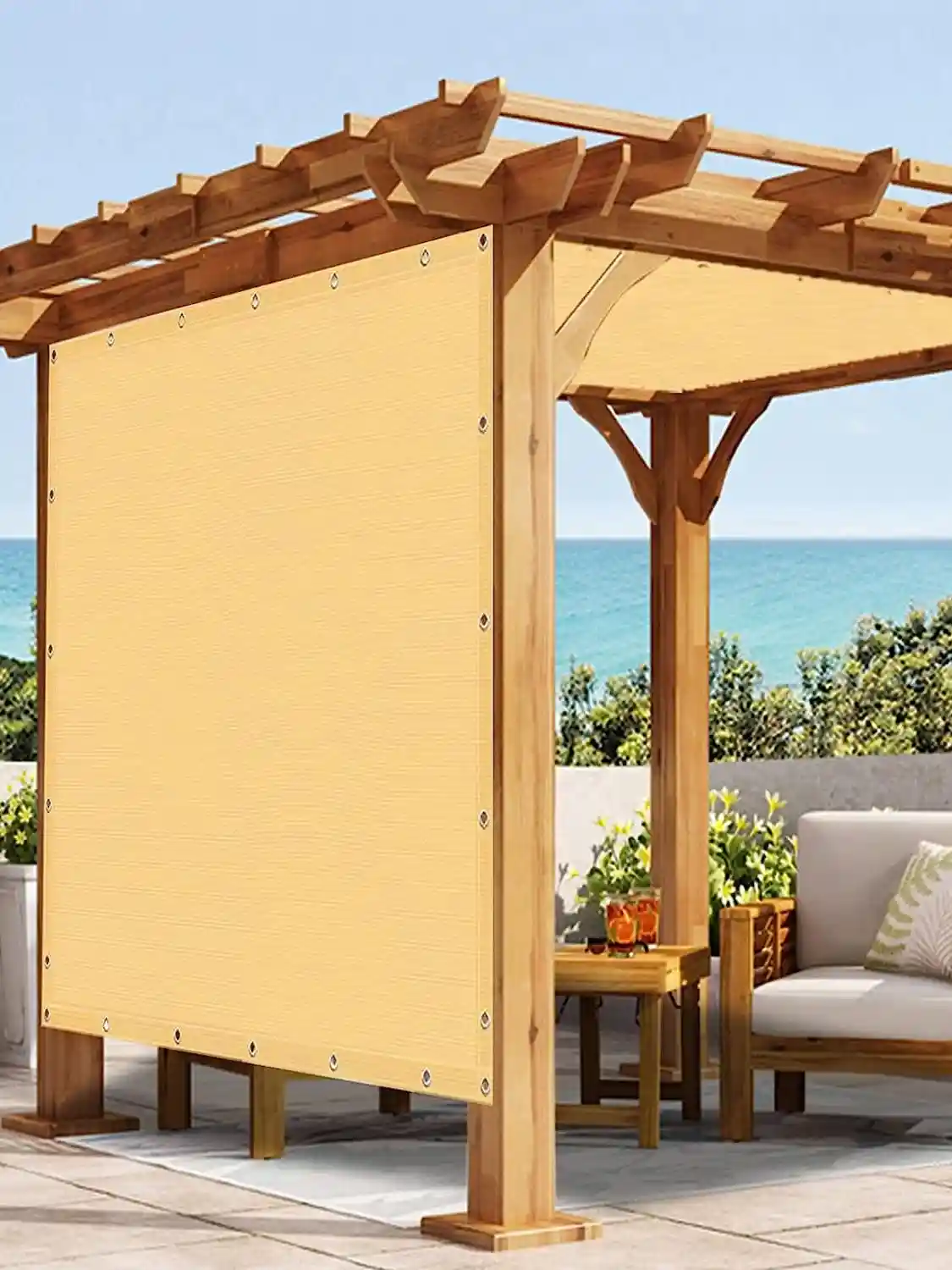
- 🏢 Architectural & Urban Shading
- Building façade sunscreens
- Parking lot covers
- Public space shade structures
- Stadium and arena roofing
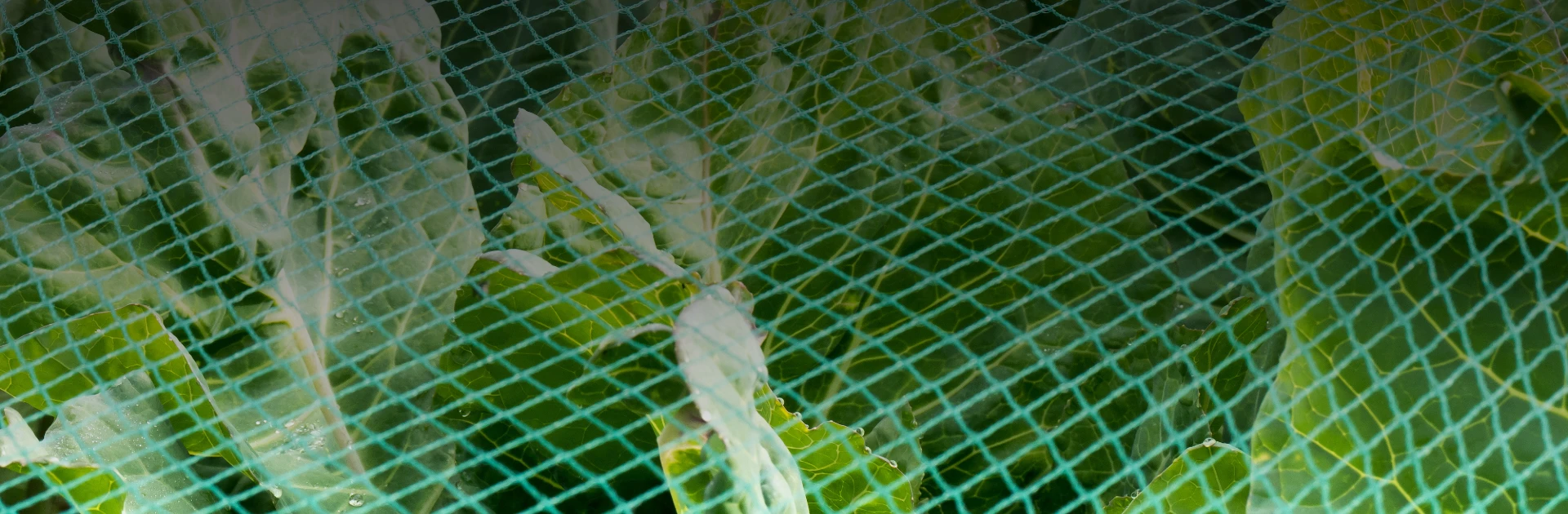
- 🌿 Agricultural & Horticultural
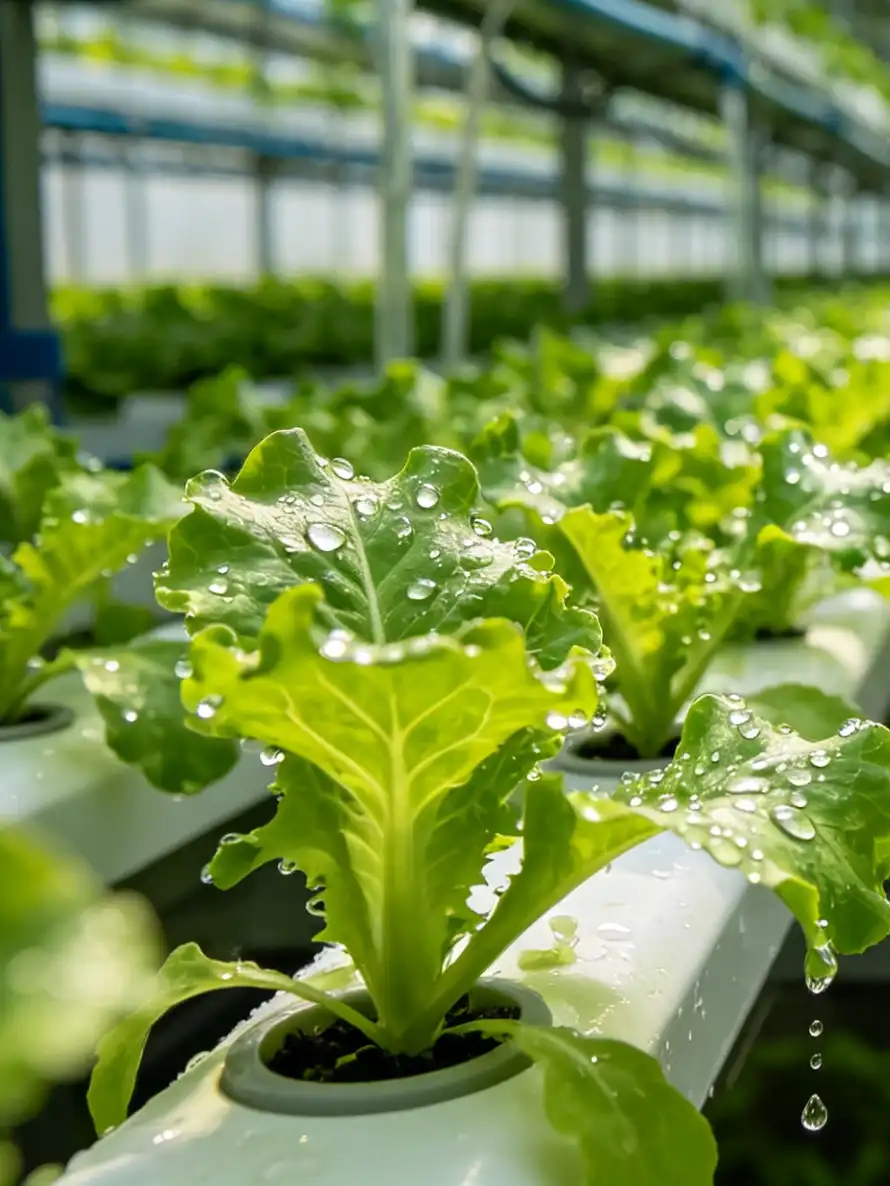
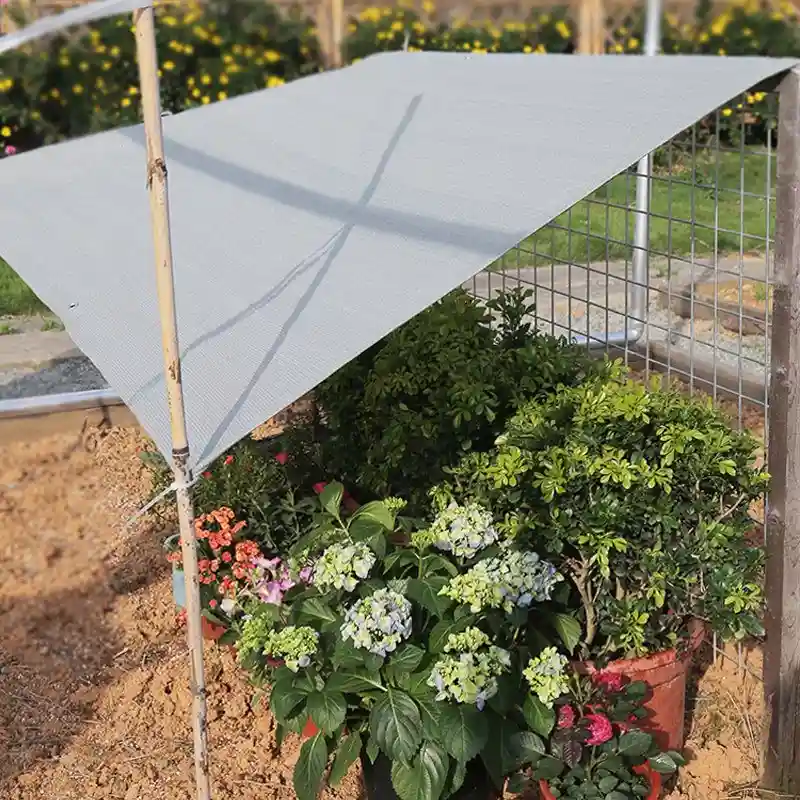
- Commercial greenhouse shading
- Nursery and garden center covers
- Vineyard and orchard protection
- Livestock and poultry shelter
- 🌊 Aquaculture & Marine
- Fish farm shading systems
- Algae cultivation protection
- Marine habitat covers
- Coastal infrastructure screening
- 🏗️ Industrial & Infrastructure
- Construction site screening
- Equipment and material protection
- Noise and visual barriers
- Temporary enclosure systems


-
What colors are available for the shade net?
Available Colors:Black,White,Green,Grey,Red...etc. Custom Colors Available -
What is the size of the nets ?
The standard width:3m, 4m, 5m and customizable. -
What is the lifespan of the shade net?
Under normal outdoor conditions, our shade net lasts 5-8 years thanks to UV-stabilized virgin HDPE material。 -
How do I choose the right shade net for my needs?
Select the Shading Rate 30%-50%: Light-sensitive vegetables (lettuce, spinach), partial shade ornamentals. 50%-65% (Most Versatile): General vegetables (tomatoes, peppers), many flowering plants. 70%-85%: Heat-sensitive crops, nurseries, patios, parking lots. 90%-95%: Shade-loving plants, intense sun regions, privacy screens. -
How does the color of shade netting affect plant growth?
Color is the most important factor to consider when choosing a shade net or fabric, as it greatly affects the final result. Shade nets are available in a variety of colors, but the most common are green and black. White nets reduce the amount of sunlight, making them best suited for flowering plants. Black and green nets, on the other hand, promote faster plant growth because they absorb more heat than lighter-colored nets.