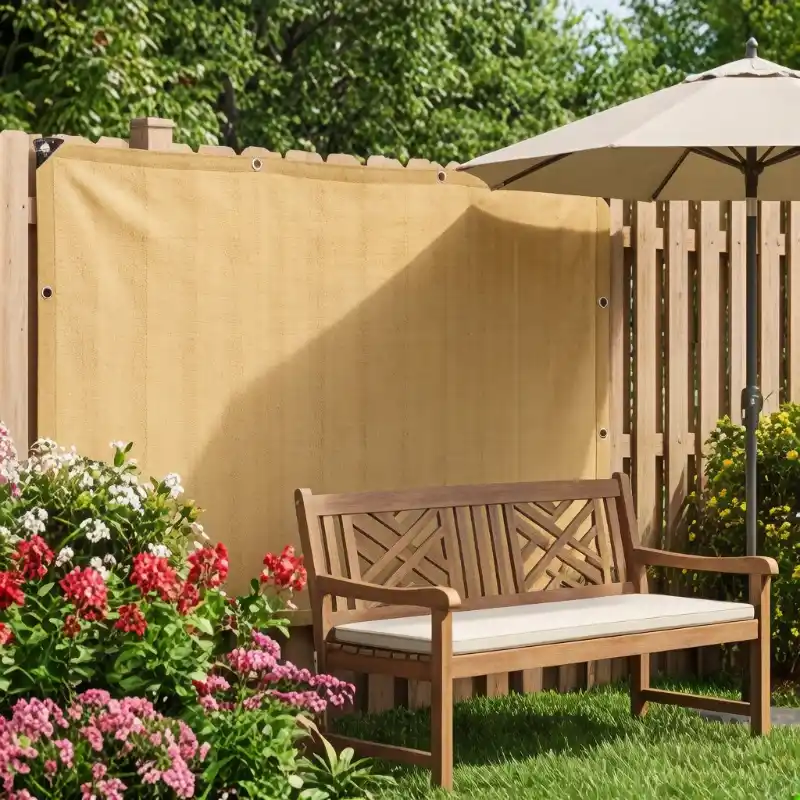
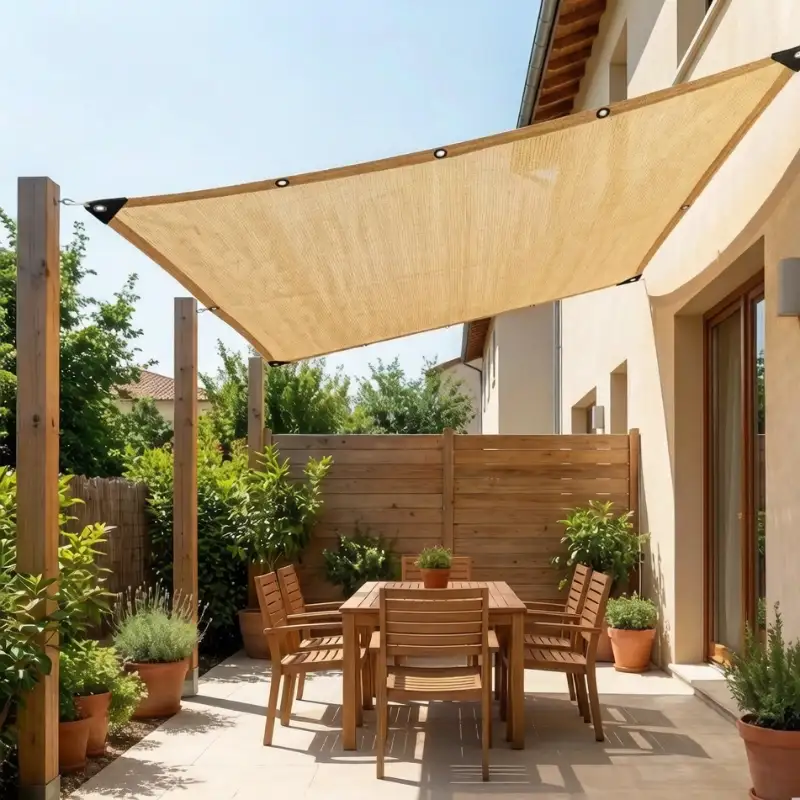
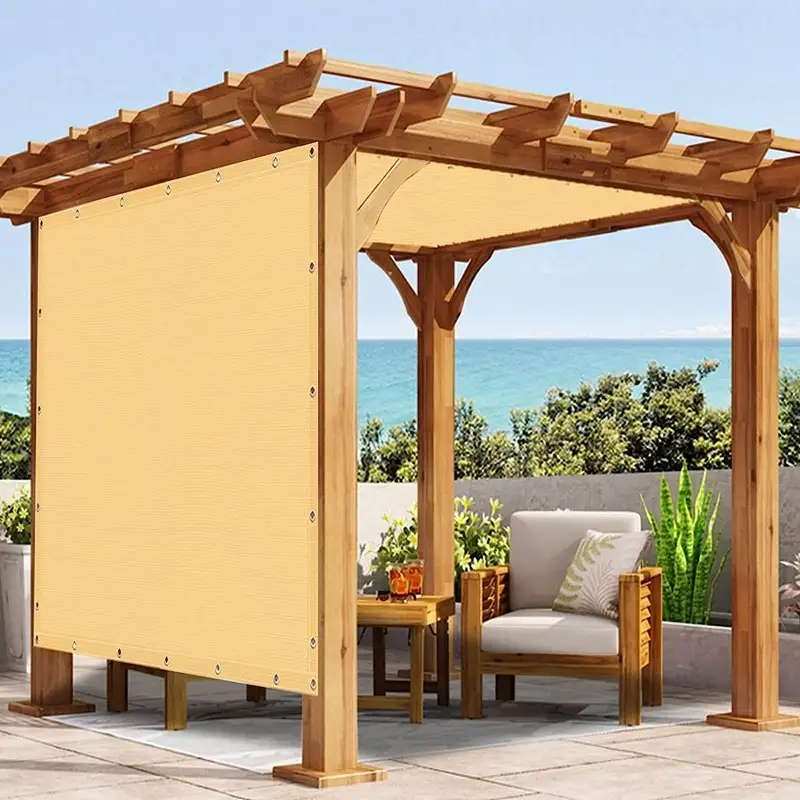
Mono Sunshade Net
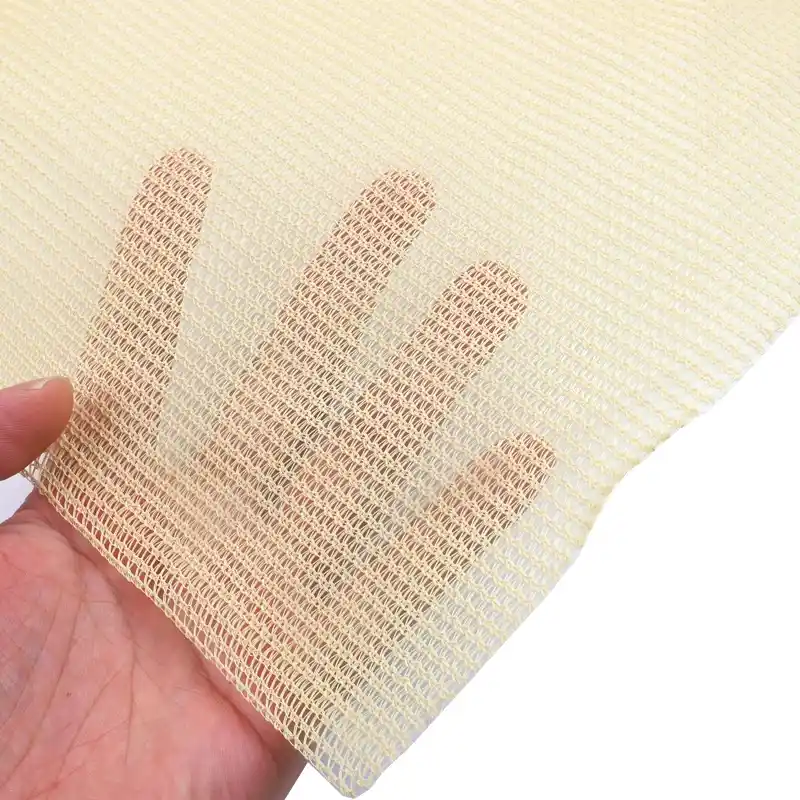
Beige Mono HDPE Shade Screen – Warm-Toned Elegance for Residential & Architectural Shading
-
Many Years Of Production And Manufacturing Experience
-
Direct Sale From The Manufacturer, Discounted Price
-
Virgin Material, Guaranteed Quality
Detailed description
Elegant Earth-Tone Shading for Aesthetic & Functional Applications
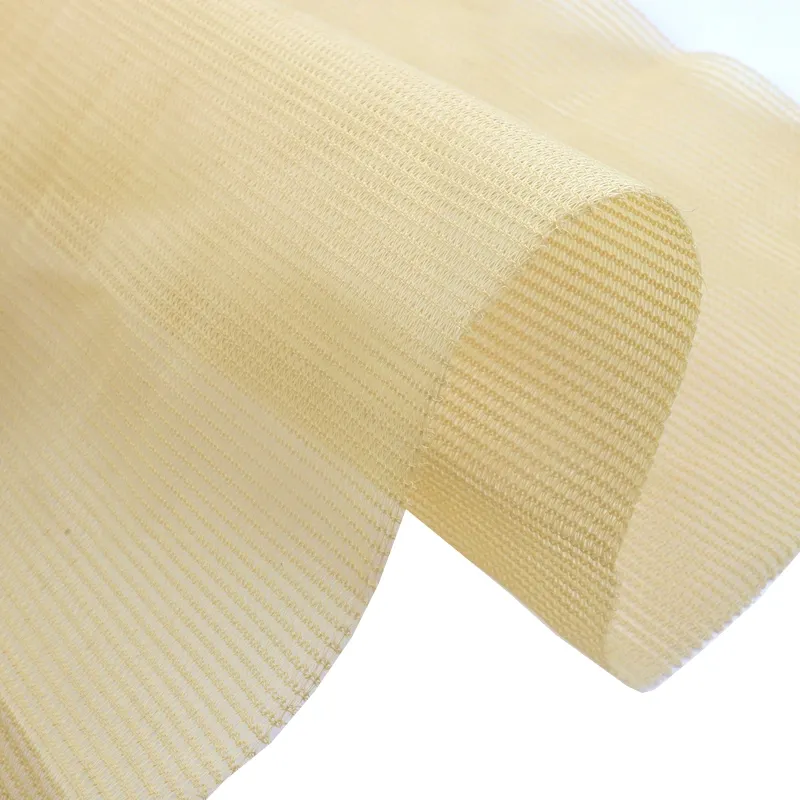
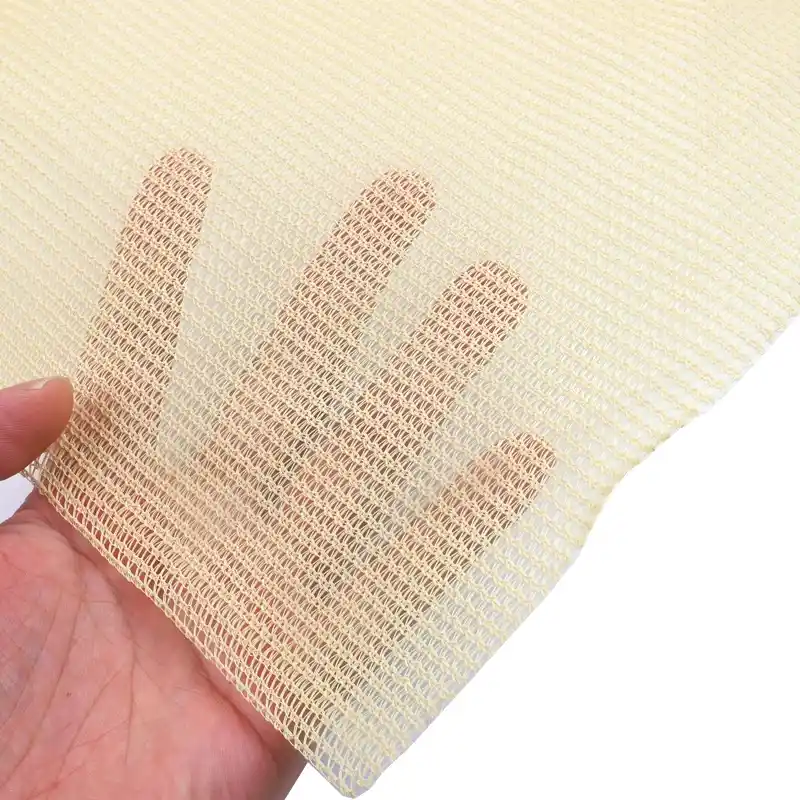
The Beige Mono HDPE Shade Screen introduces a refined, earth-toned solution to professional shading requirements, combining subtle aesthetic appeal with high-performance functionality. Woven from premium round monofilament HDPE yarns in a warm beige hue, this screen provides exceptional solar protection while harmonizing with natural landscapes, architectural elements, and outdoor living spaces. Designed for applications where visual integration and performance are equally valued, it delivers balanced light diffusion, reliable temperature control, and durable weather resistance in an elegantly neutral package.


| Parameter | Specification |
| Material | Mono HDPE (High-Density Polyethylene) Fabric |
| Shading Rate | 30% ~ 90% (Customizable) |
| Weight | 50–340 g/m² (for reference) |
| Width | 2m – 8m (Custom widths available) |
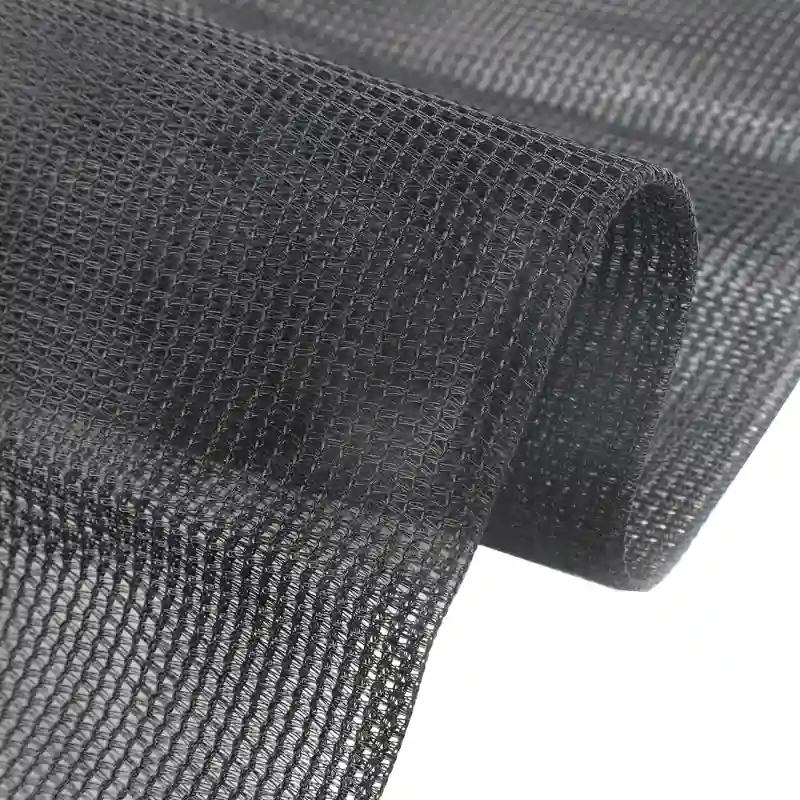
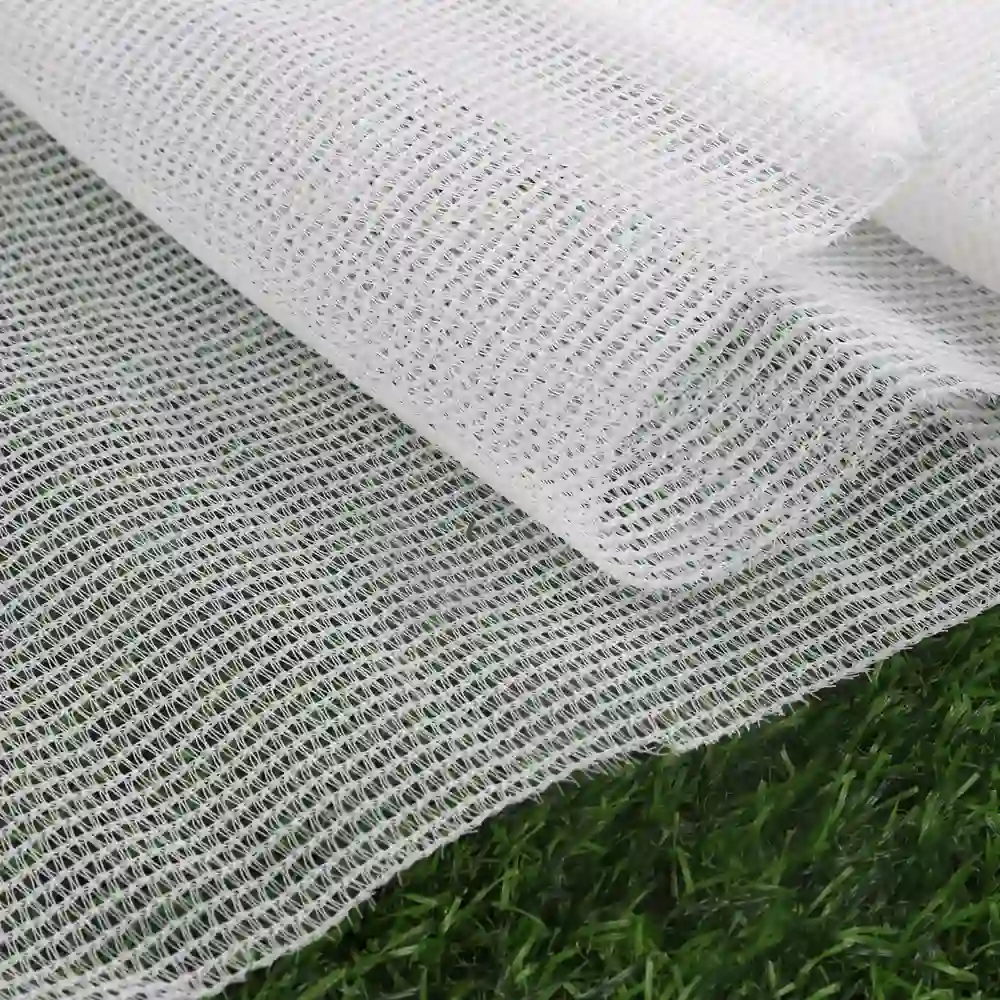
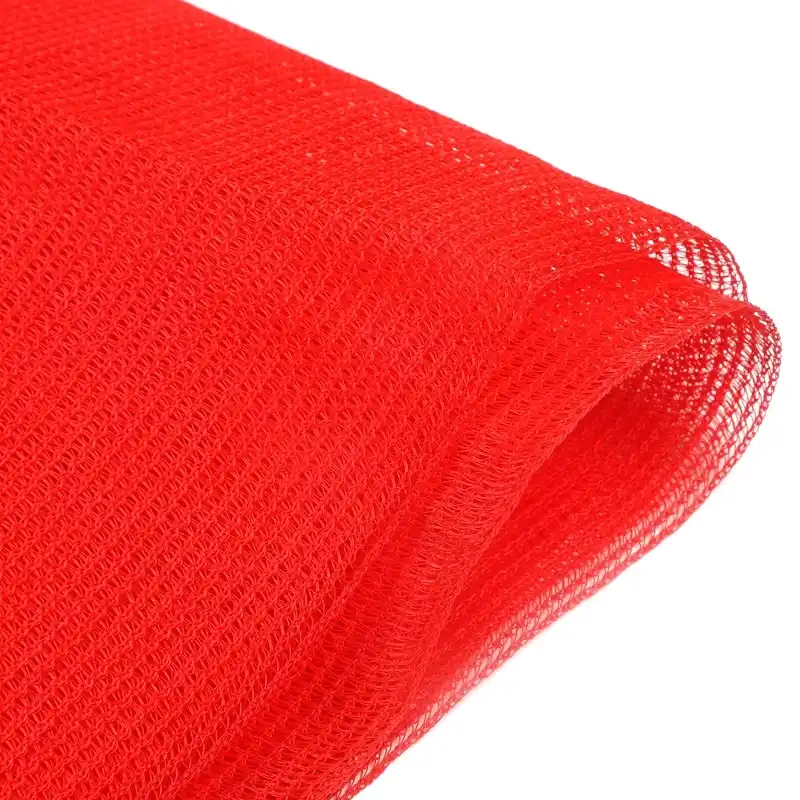
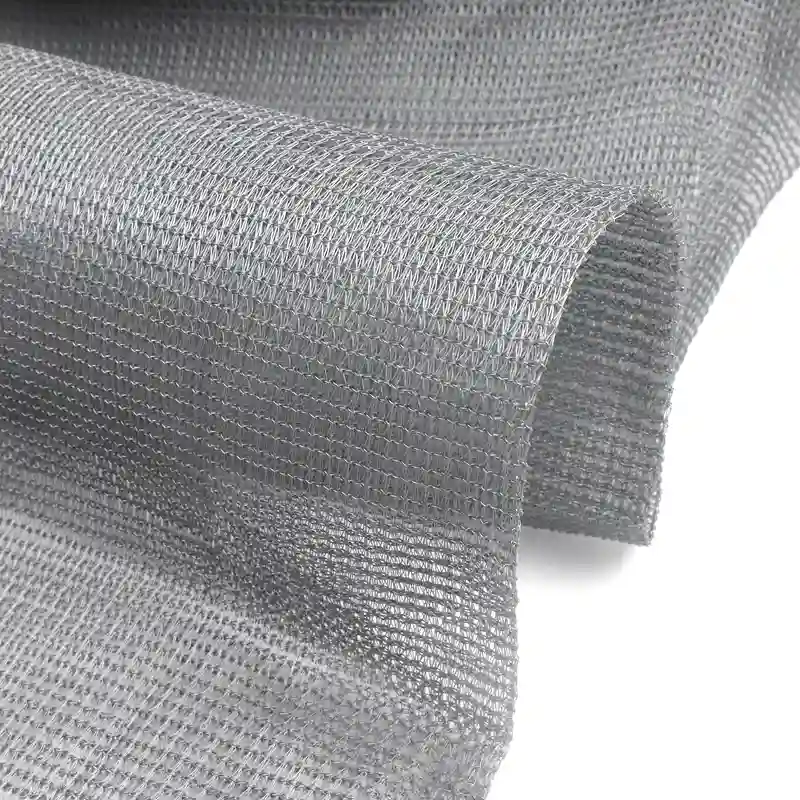
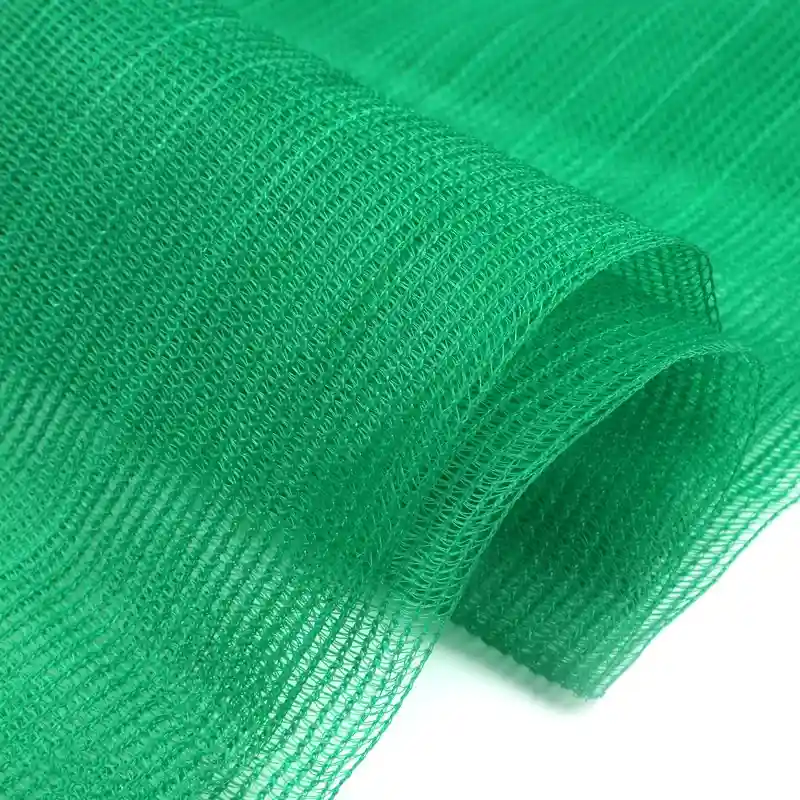
| Color | Beige/ Black / White / Green / Grey / Red (Customizable) |
Core Advantages
🎨 Aesthetic Integration
- Warm beige tone naturally complements stone, wood, and earthy architectural materials
- Reduces visual intrusion in residential, resort, and landscape settings
- Creates a softer, more inviting atmosphere than standard industrial shades
☀️ Balanced Solar Management
- Provides 30%-90% adjustable shading with even light distribution
- Reduces ambient temperatures by 3-6°C through efficient solar radiation diffusion
- Minimizes glare while maintaining sufficient natural illumination
🛡️ Durable & Weather-Resistant
- UV-stabilized HDPE monofilament ensures 5-7 years of color-fast performance
- Resists fading, mildew, and environmental degradation
- Maintains structural integrity in high-wind and variable weather conditions
🏡 Versatile Application Range
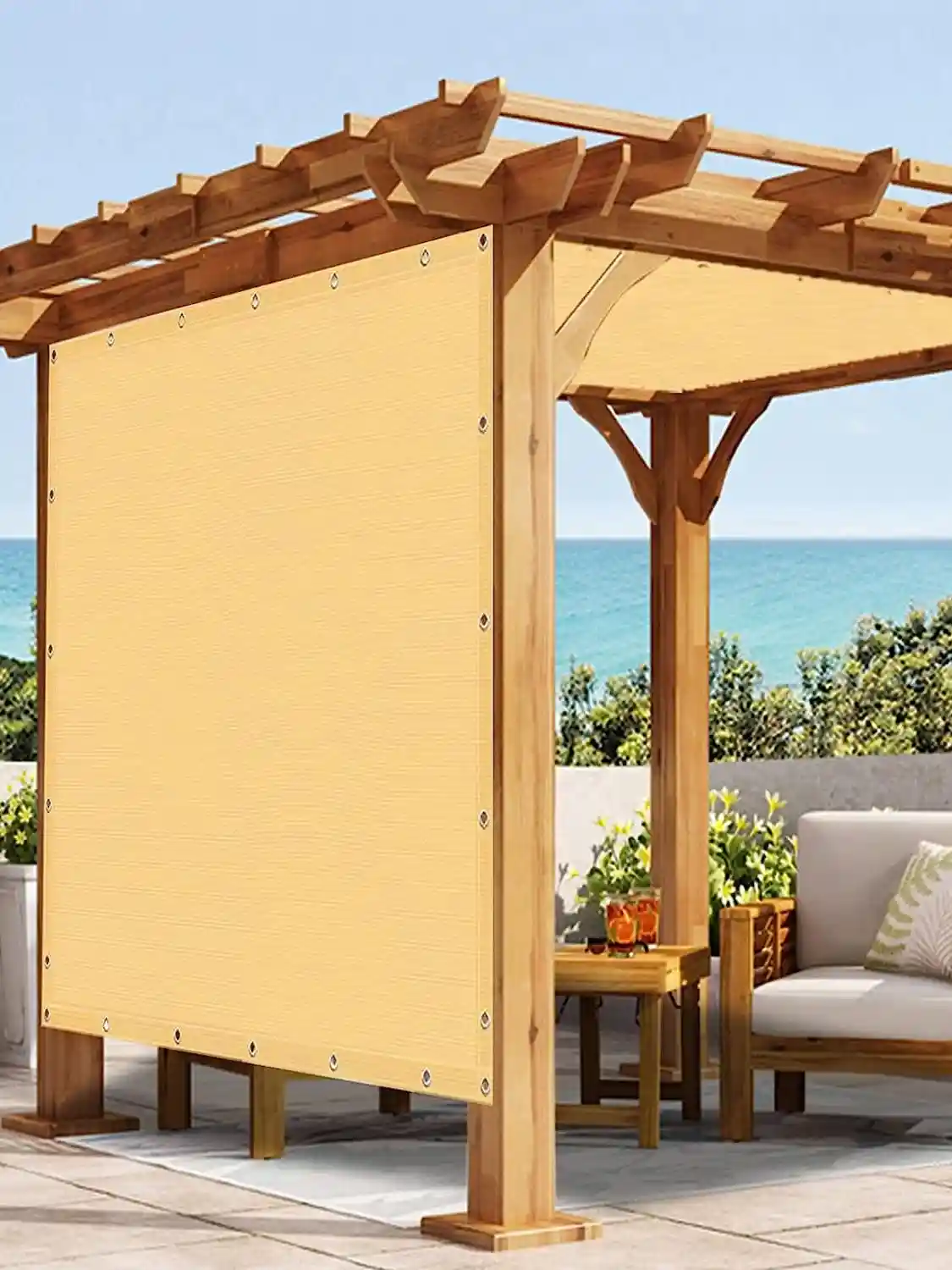
- Residential patio and pergola covers
- Resort and hospitality shading structures
- Landscape architecture integration
- Garden centers and botanical displays
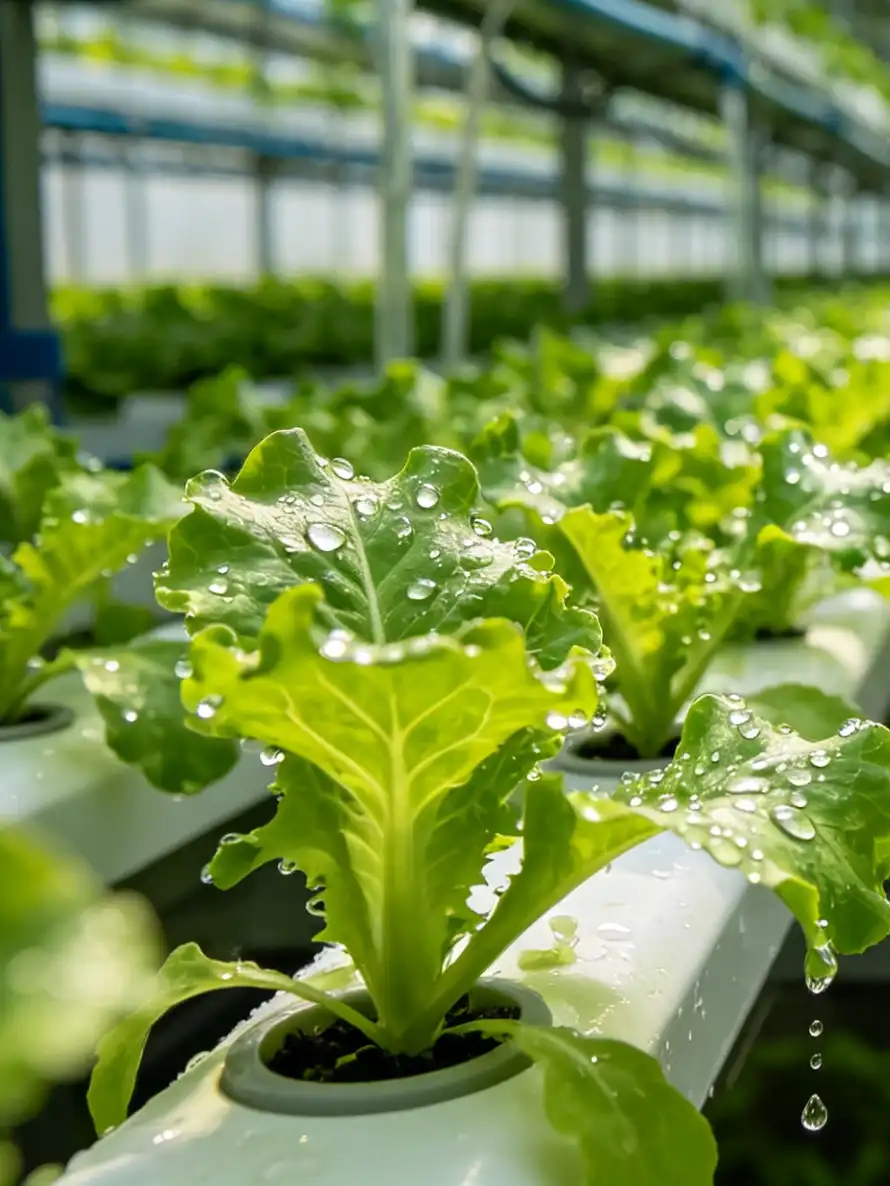
- Light-sensitive crop protection
⚙️ Installation Flexibility
- Compatible with tension systems, framed structures, and retractable setups
- Easy to cut and shape for custom designs
- Lightweight yet strong for simplified handling
Primary Applications
- 🏡 Residential & Hospitality
- Private garden pergolas and shade sails
- Poolside and patio covers
- Restaurant and café outdoor shading
- Hotel and resort landscape integration
- 🌿 Horticultural & Display
- Botanical garden walkway covers
- Nursery display area shading
- Garden center sales area protection
- Landscape feature enhancement
- 🏗️ Architectural Integration
- Building façade sun screening
- Courtyard and atrium covers
- Public space shade structures
- Historical site preservation shading
- 🌾 Light Agricultural Use
- Vineyard and orchard morning/afternoon shading
- Specialty crop protection (herbs, teas, spices)
- Equestrian facility covers
- Organic farming applications


-
What colors are available for the shade net?
Available Colors:Black,White,Green,Grey,Red...etc. Custom Colors Available -
What is the size of the nets ?
The standard width:3m, 4m, 5m and customizable. -
What is the lifespan of the shade net?
Under normal outdoor conditions, our shade net lasts 5-8 years thanks to UV-stabilized virgin HDPE material。 -
How do I choose the right shade net for my needs?
Select the Shading Rate 30%-50%: Light-sensitive vegetables (lettuce, spinach), partial shade ornamentals. 50%-65% (Most Versatile): General vegetables (tomatoes, peppers), many flowering plants. 70%-85%: Heat-sensitive crops, nurseries, patios, parking lots. 90%-95%: Shade-loving plants, intense sun regions, privacy screens. -
How does the color of shade netting affect plant growth?
Color is the most important factor to consider when choosing a shade net or fabric, as it greatly affects the final result. Shade nets are available in a variety of colors, but the most common are green and black. White nets reduce the amount of sunlight, making them best suited for flowering plants. Black and green nets, on the other hand, promote faster plant growth because they absorb more heat than lighter-colored nets.