Home & Outdoor
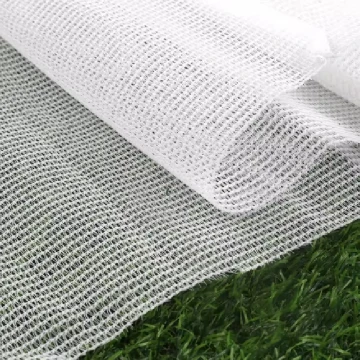
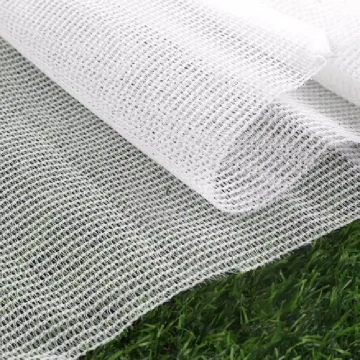
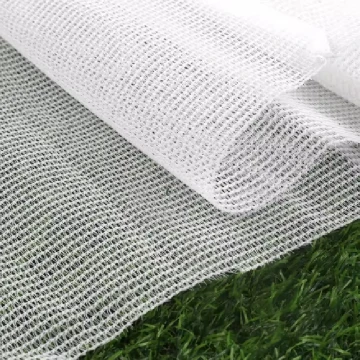
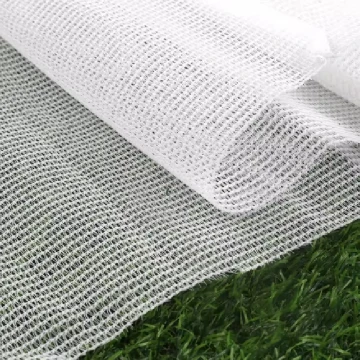
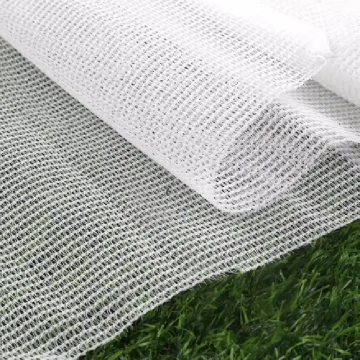
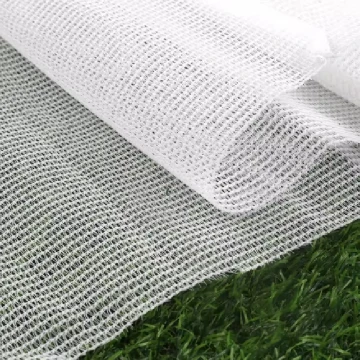
shading rate, UV-resistant white single-layer HDPE shade screen
-
Many Years Of Production And Manufacturing Experience
-
Direct Sale From The Manufacturer, Discounted Price
-
ISO/SGS Certified Quality
Detailed description
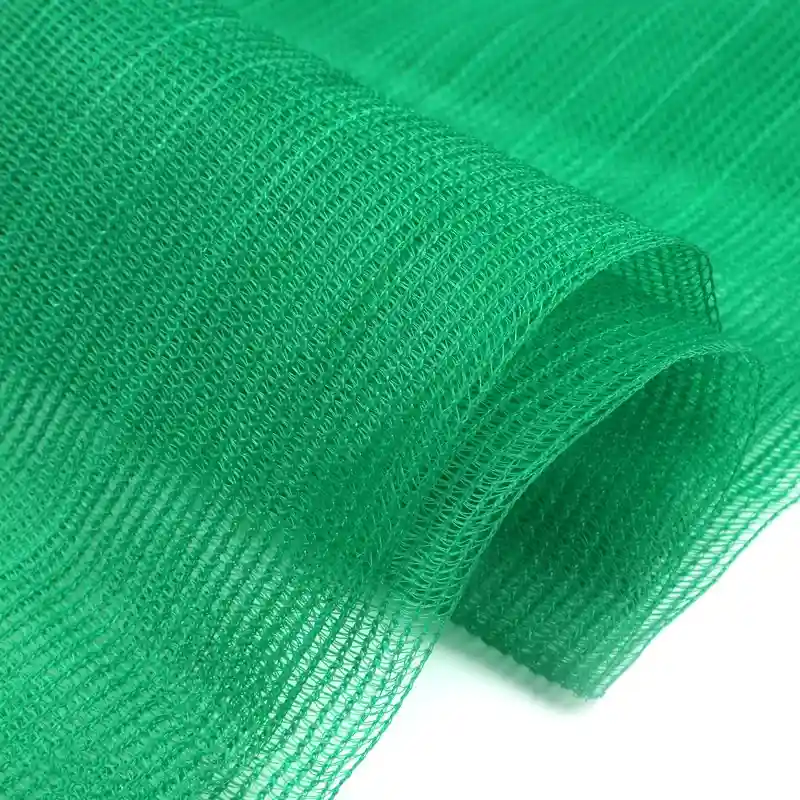
This 30% shade fabric is made from durable, high-quality material and is designed to control and reduce sunlight exposure.
Its 30% density makes it ideal for a variety of outdoor applications.
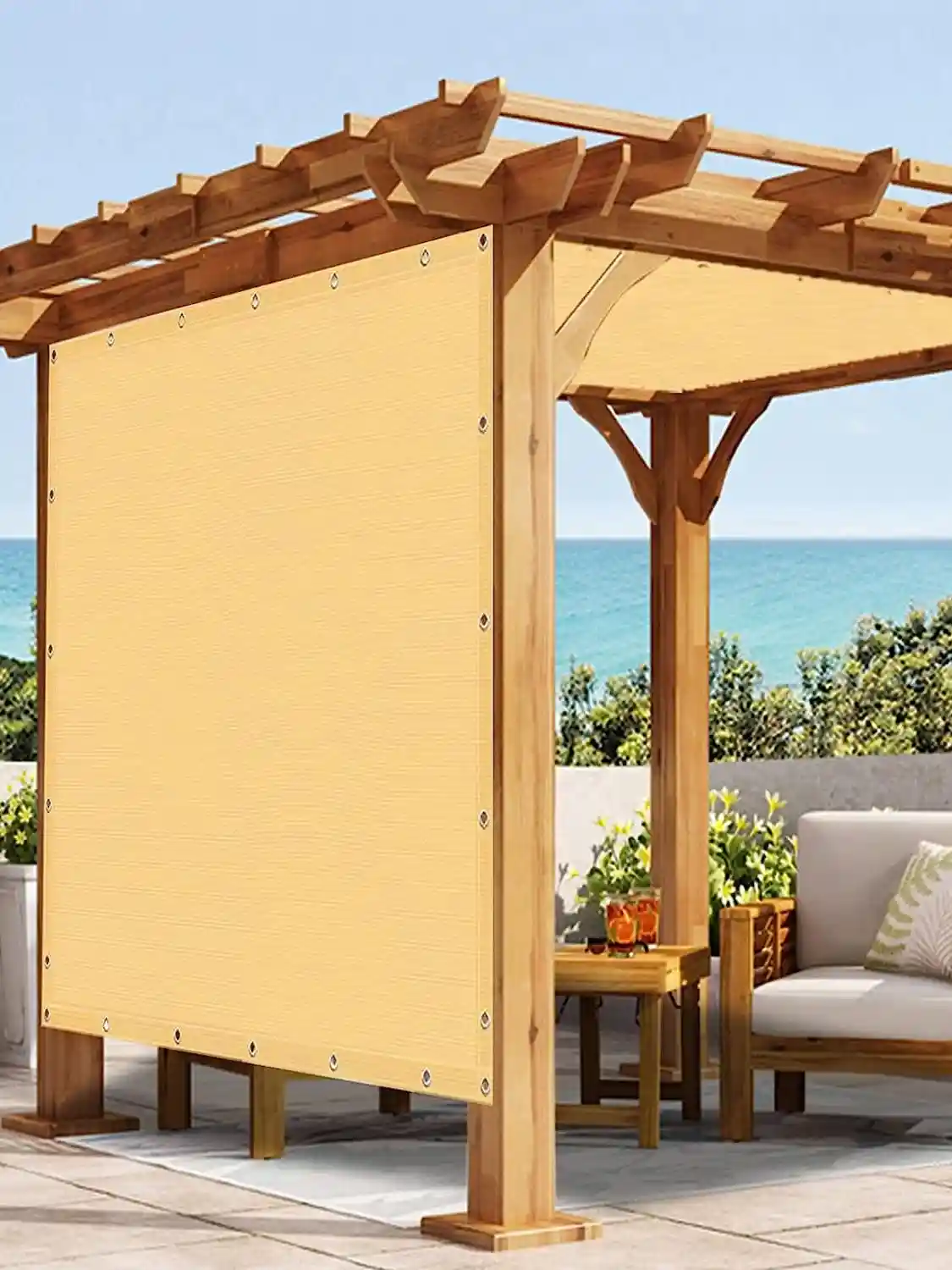
It effectively promotes cool air circulation, providing ample ventilation and creating a comfortable space underneath.


Feature
• UV Protection: The shade cloth blocks up to 30% of harmful UV rays and heat, protecting you and your plants from sun damage.
• Breathable Design: Promotes air circulation, ensuring a cool and comfortable environment.
• Durable Material: Made from high-quality polyethylene, the weather-resistant fabric withstands various weather conditions.
• Easy Installation: Features reinforced edges or grommets (if needed) for easy and secure installation.
• Customizable: Available in various sizes to meet your specific needs.
Application Scenarios
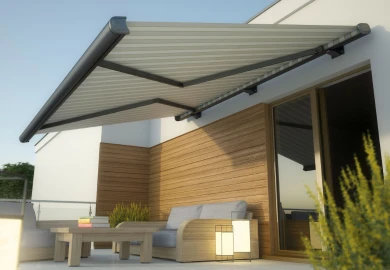
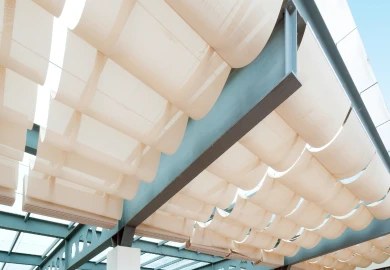
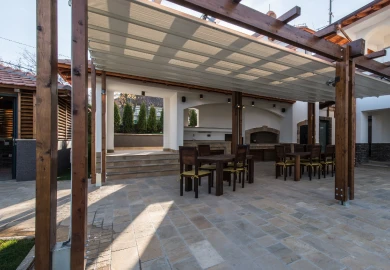
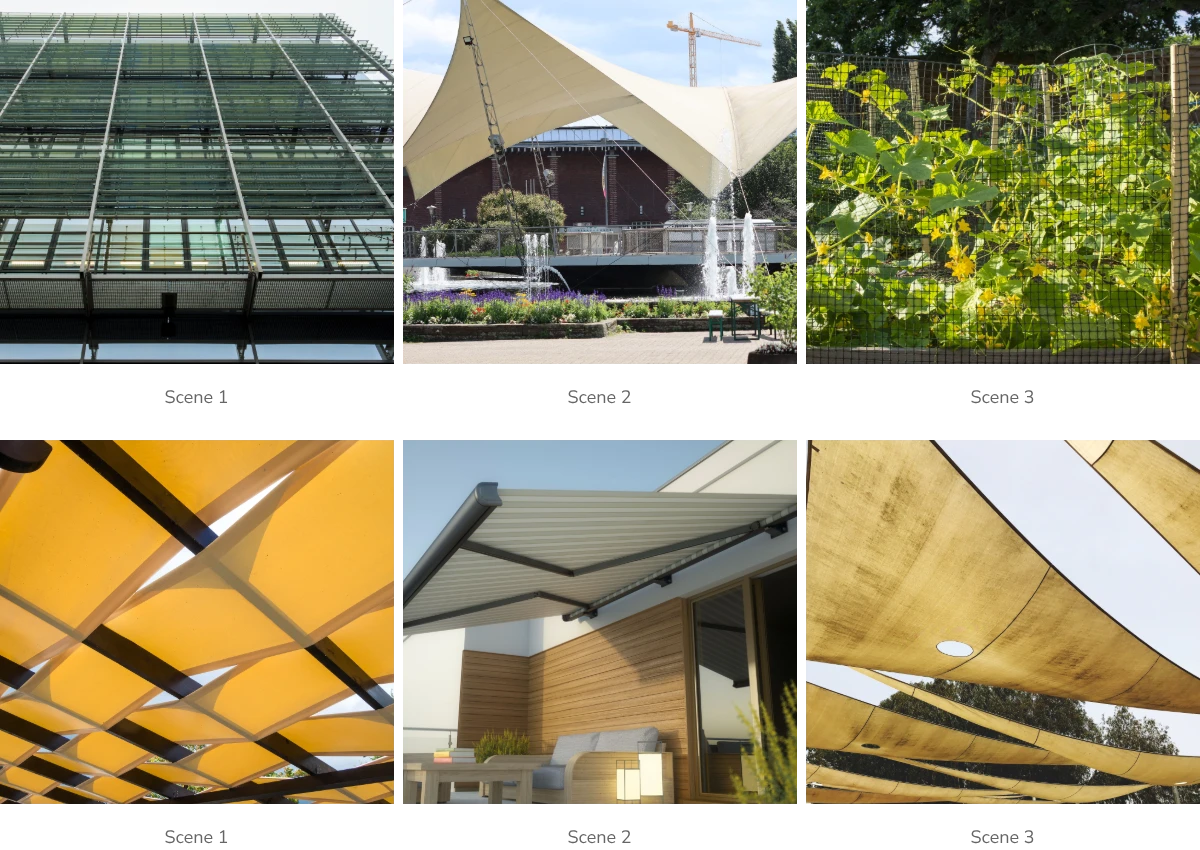
Please remember that shade cloth with a 30% shading rate is suitable for situations requiring moderate shading. Be sure to consider the specific sunlight requirements of the plants or the comfort level of the shaded area.
-
How does the color of shade netting affect plant growth?
Color is the most important factor to consider when choosing a shade net or fabric, as it greatly affects the final result. Shade nets are available in a variety of colors, but the most common are green and black. White nets reduce the amount of sunlight, making them best suited for flowering plants. Black and green nets, on the other hand, promote faster plant growth because they absorb more heat than lighter-colored nets. -
How does the color of shade netting affect plant growth?
Color is the most important factor to consider when choosing a shade net or fabric, as it greatly affects the final result. Shade nets are available in a variety of colors, but the most common are green and black. White nets reduce the amount of sunlight, making them best suited for flowering plants. Black and green nets, on the other hand, promote faster plant growth because they absorb more heat than lighter-colored nets. -
How does the color of shade netting affect plant growth?
Color is the most important factor to consider when choosing a shade net or fabric, as it greatly affects the final result. Shade nets are available in a variety of colors, but the most common are green and black. White nets reduce the amount of sunlight, making them best suited for flowering plants. Black and green nets, on the other hand, promote faster plant growth because they absorb more heat than lighter-colored nets. -
How does the color of shade netting affect plant growth?
Color is the most important factor to consider when choosing a shade net or fabric, as it greatly affects the final result. Shade nets are available in a variety of colors, but the most common are green and black. White nets reduce the amount of sunlight, making them best suited for flowering plants. Black and green nets, on the other hand, promote faster plant growth because they absorb more heat than lighter-colored nets.