Insect Nets Manufacturer Professional Agricultural & Garden Protection Solutions
Insect Net/Anti Pest Net
Chemical-Free Protection for Healthy Plants
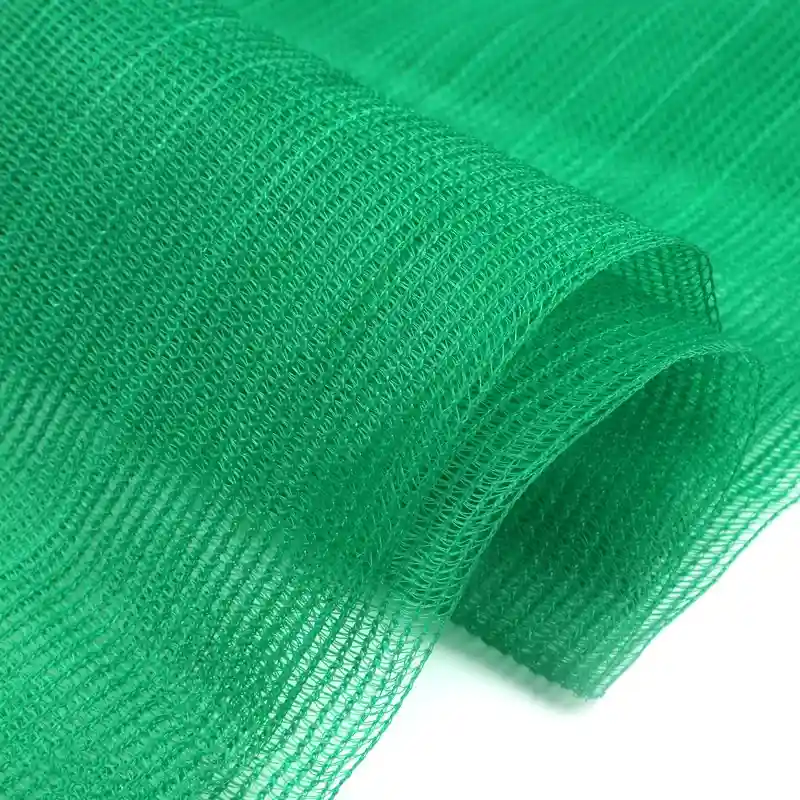
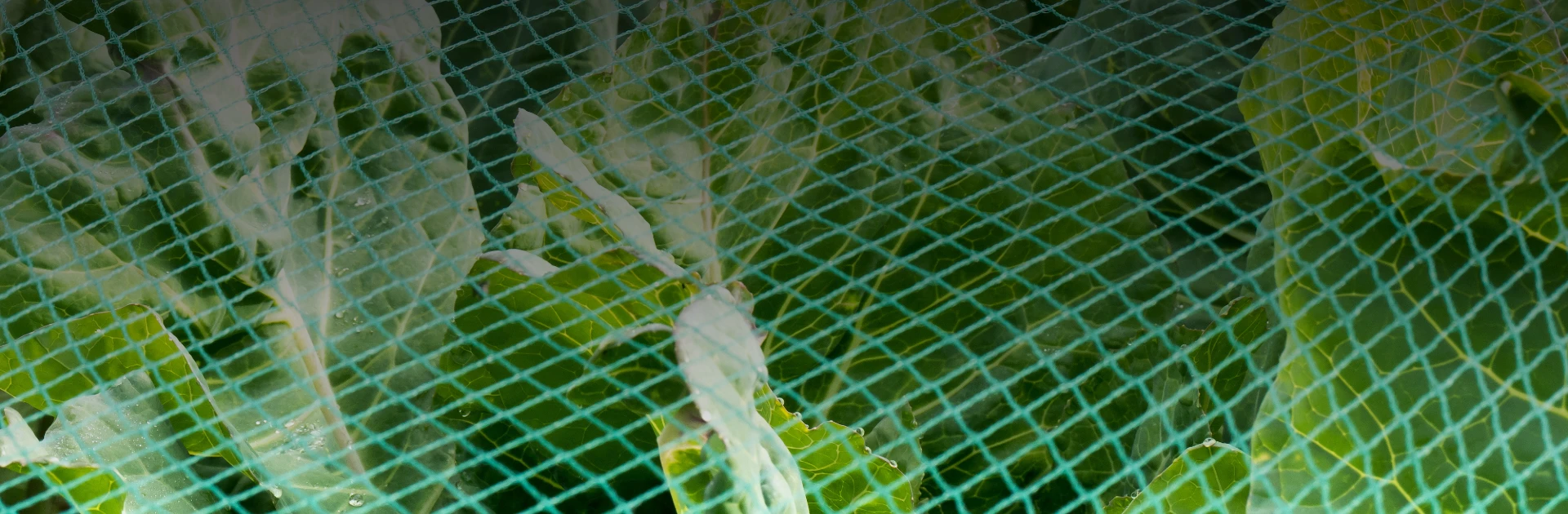
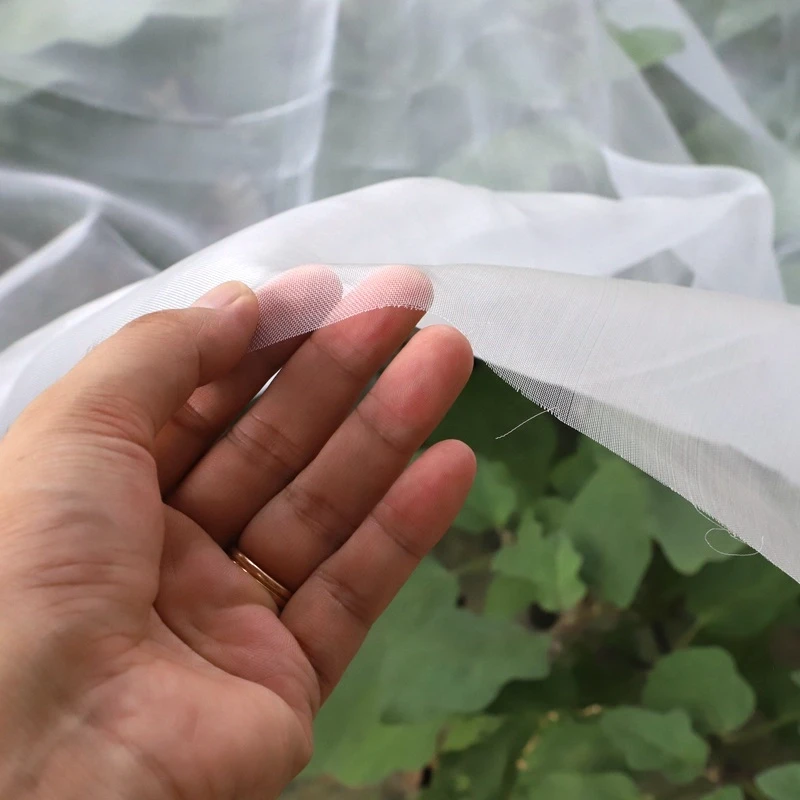
Our Insect Net blocks pests naturally with its ultra-fine mesh, keeping out aphids, whiteflies, thrips, and other insects while allowing air, light, and water to pass through. Made from durable, UV-stabilized HDPE, it’s ideal for greenhouses, gardens, and farms—no pesticides needed.
Available in:
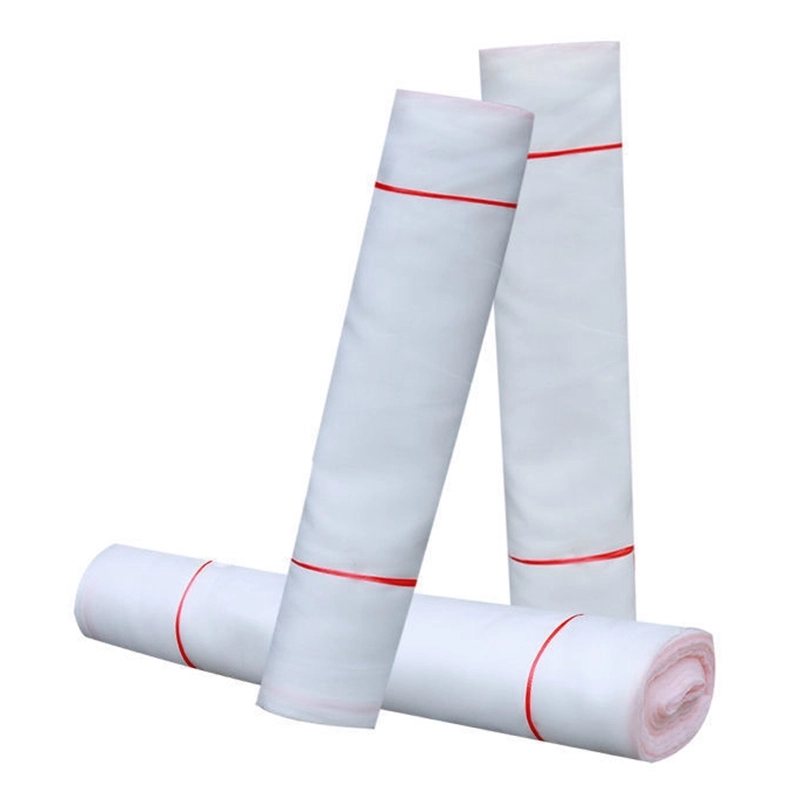
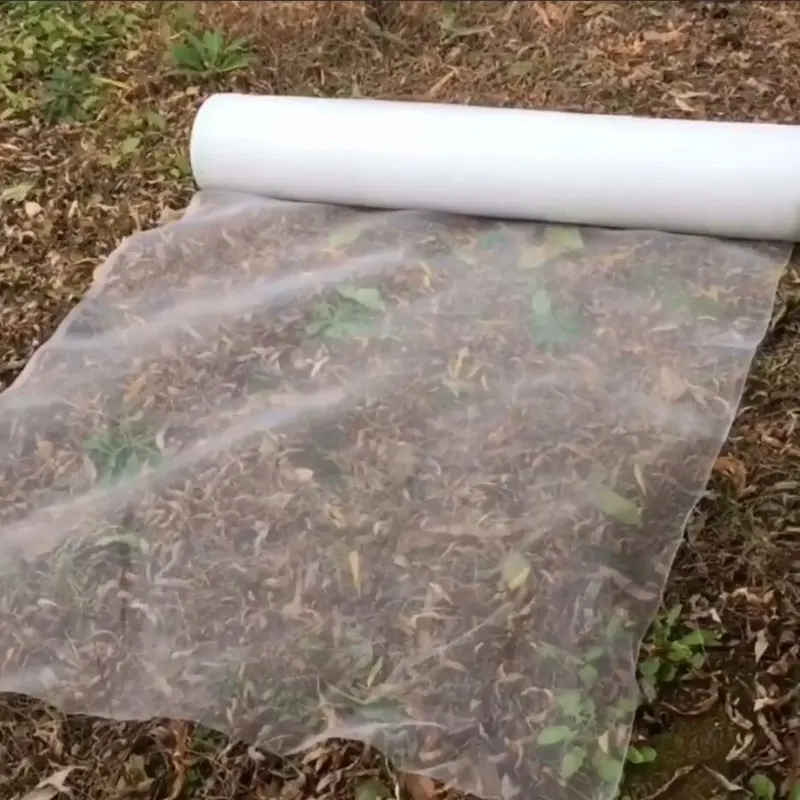
Rolls for large areas (custom widths & lengths)
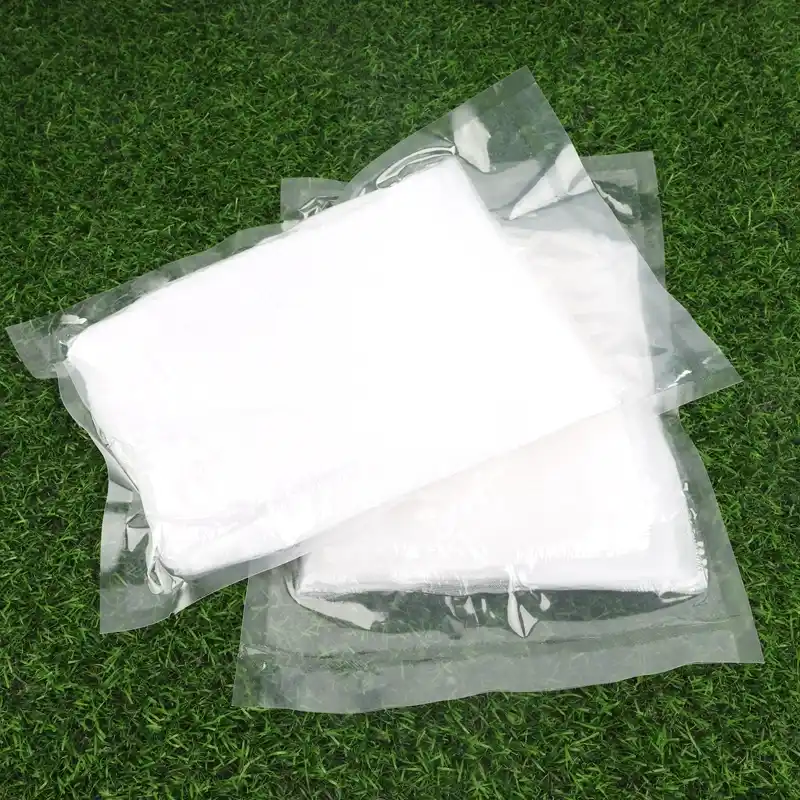
Pre-cut sheets for quick installation
Strong, eco-friendly, and easy to install. Protect your crops—naturally.
Many Years Of Production And Manufacturing Experience
Direct Sale From The Manufacturer, Discounted Price
Professional-Grade Crop Protection, Engineered for Performance
Insect Net (also called Anti-Pest Net) is a precision-woven mesh barrier designed to physically exclude pests from crops, greenhouses, gardens, and outdoor living areas. Made from high-density polyethylene (HDPE) with UV stabilization, this ultra-fine net blocks insects while maintaining excellent airflow, light transmission, and water permeability. It provides an environmentally friendly, chemical-free solution to pest management, effectively preventing infestation and reducing the need for pesticides. Suitable for organic farming, home gardening, and commercial agriculture, it is a durable, cost-effective investment in healthy plant growth.
Up to 50% open area ensures proper air circulation
Prevents overheating and humidity buildup under the net
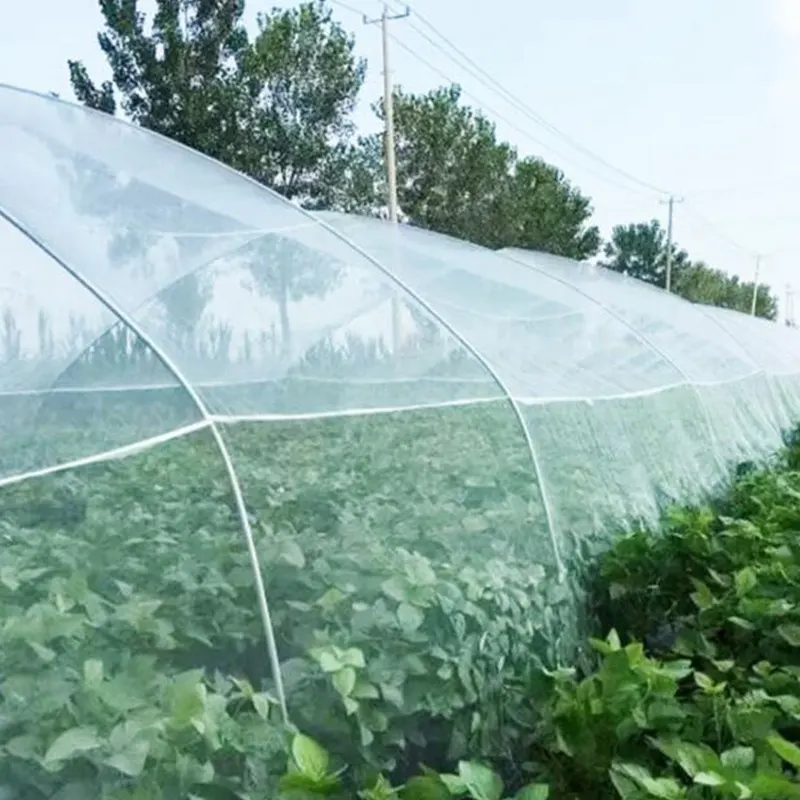
Ideal for greenhouse sides, vents, and floating row covers
☀️ Excellent Light & Water Transmission
Allows 80-90% light penetration (depending on mesh density)
Rain and irrigation water can pass through easily
UV-stabilized to resist degradation and prolong service life
🛠️ Durable & Weatherproof
High-tensile HDPE material resists tearing, stretching, and sagging
Withstands wind, rain, and sun exposure
Service life: 3-5 years under normal outdoor conditions
🔧 Easy to Install & Handle
Lightweight, flexible, and easy to cut, sew, or clip
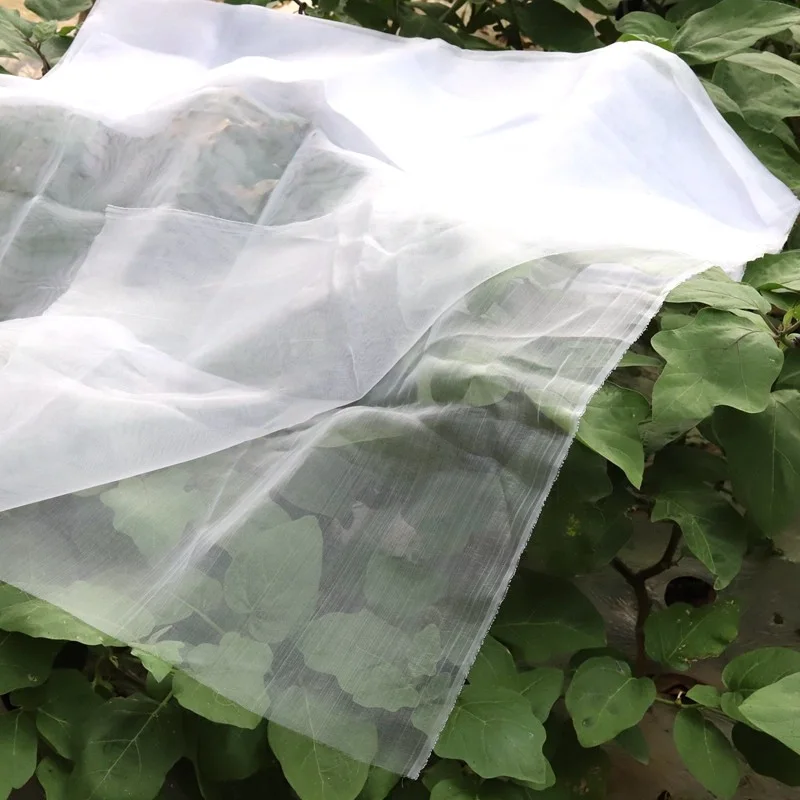
Can be draped directly over crops, attached to frames, or used as greenhouse screening
Low maintenance—clean with water when needed
Applications
🏭 Agricultural & Horticultural
Greenhouse sidewalls, roof vents, and door screens
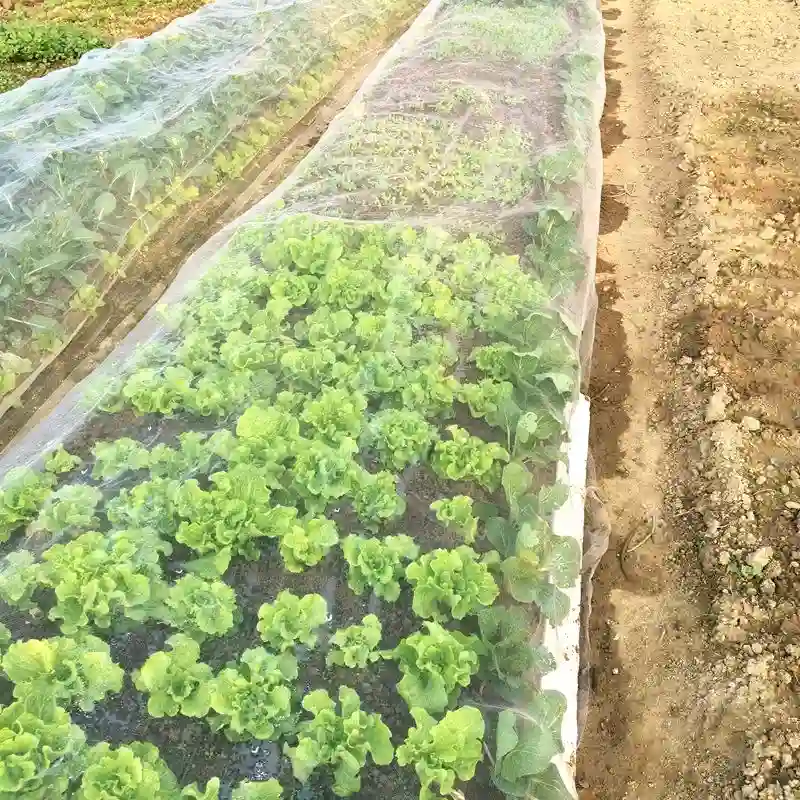
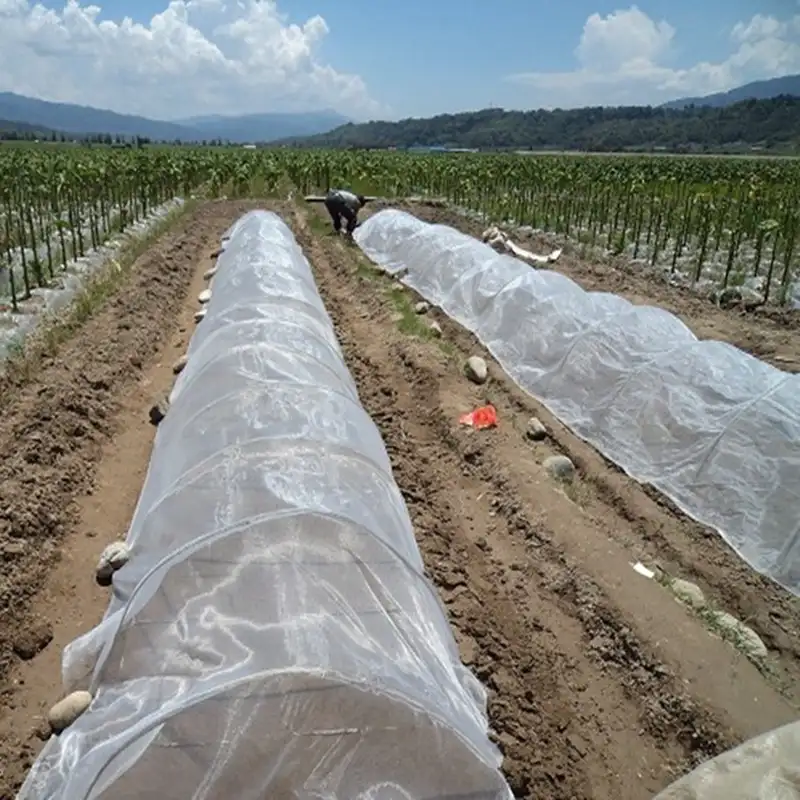
Floating row covers for direct crop protection
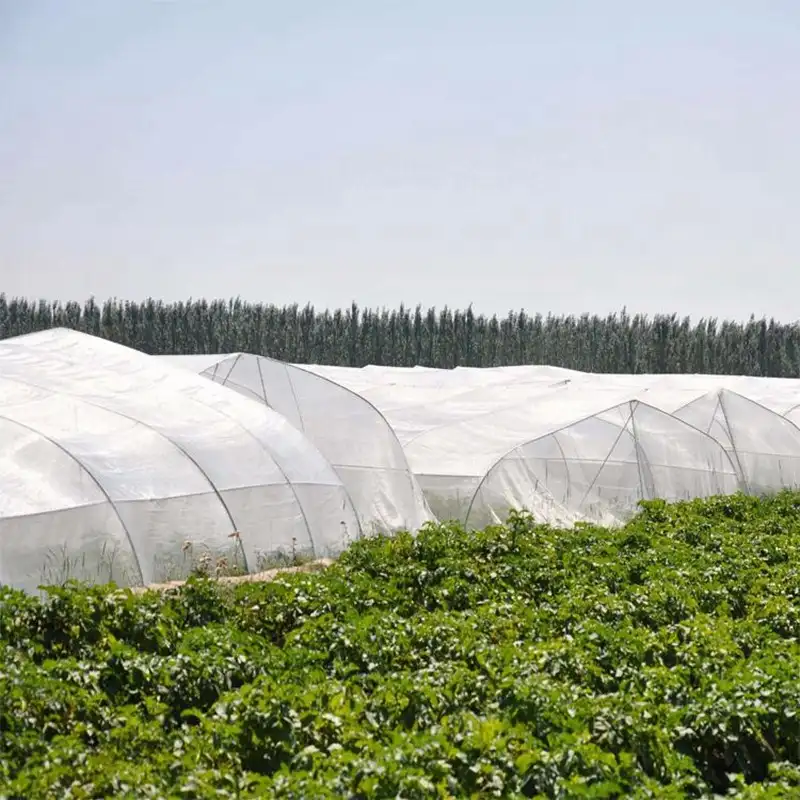
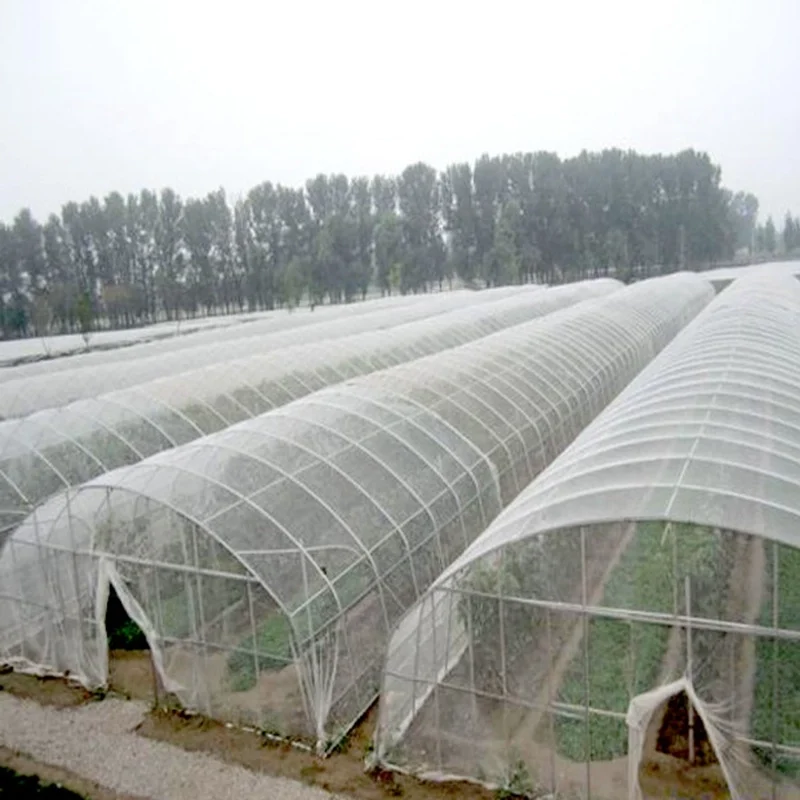
Tunnel farming and nursery seedling protection
Organic fruit, vegetable, and flower production
🏡 Home & Garden
Vegetable garden covers
Fruit tree and berry bush nets
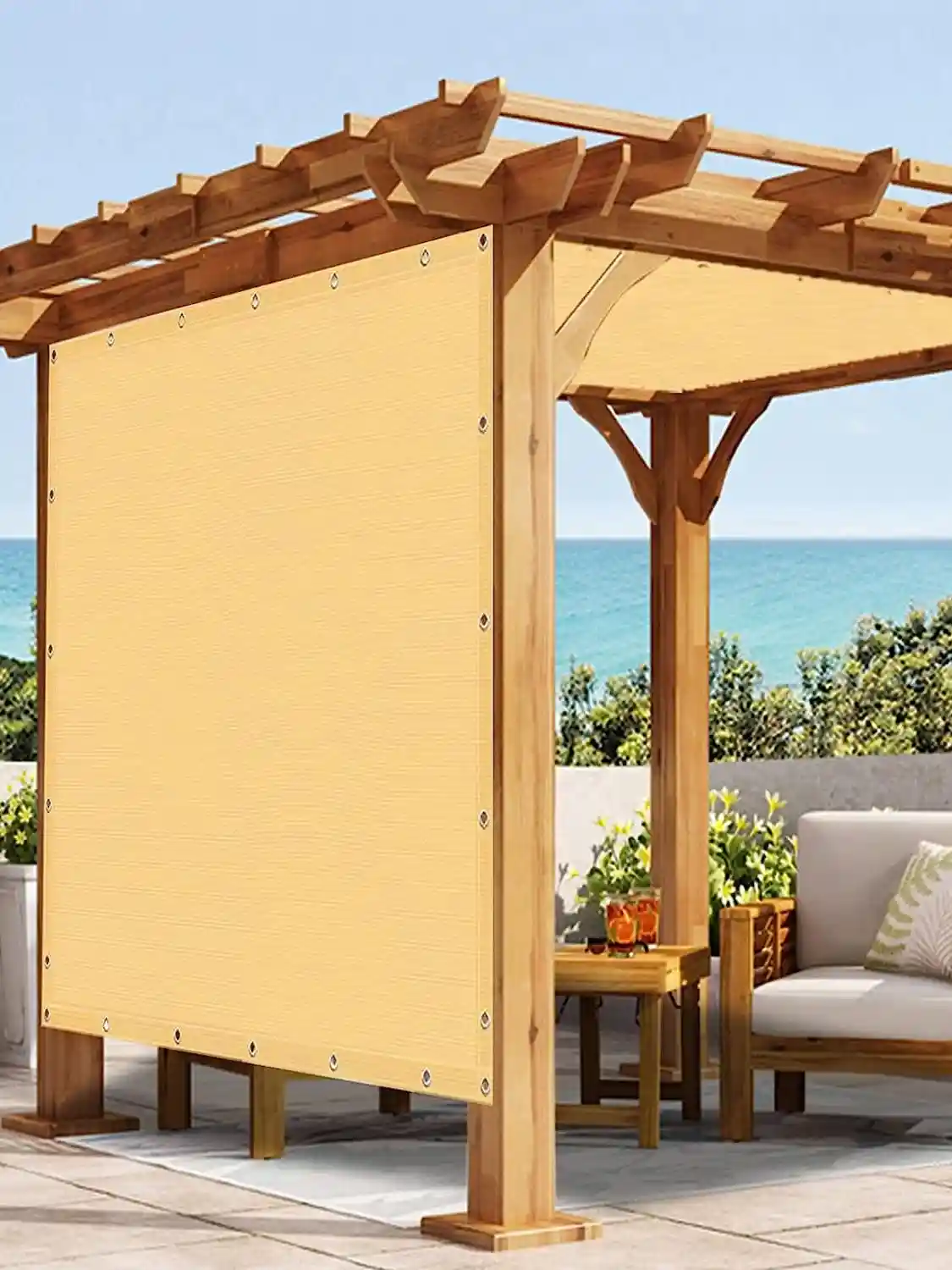
Patio and balcony insect screens
Chicken coop and aviary netting
🌿 Specialized Uses
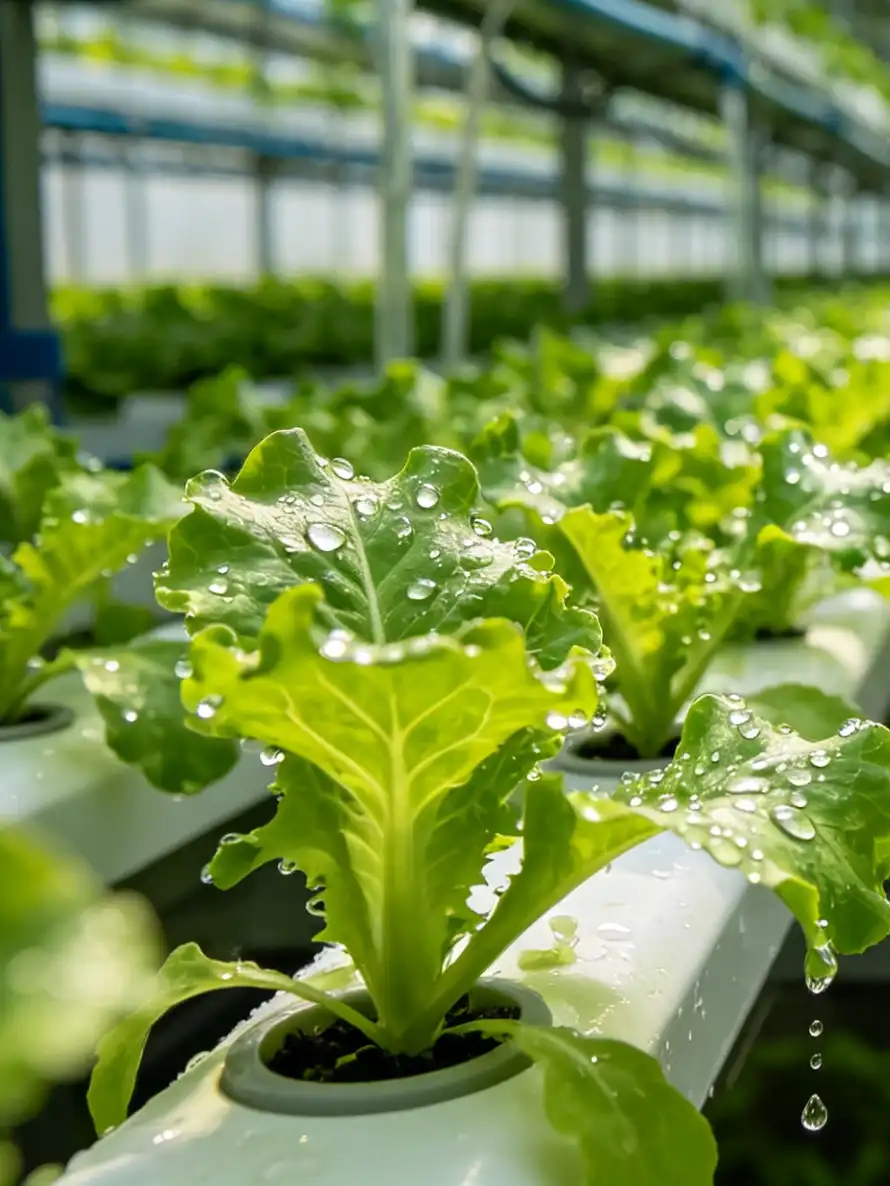
Hydroponic and vertical farm insect barriers
Seed production and pollination control
Butterfly and beneficial insect housings
Aquaculture pond covers (against insects and birds)
Outdoor dining area screens
School garden projects
Park and zoo enclosures
Installation Guidelines
Direct Draping – Lay loosely over crops, allowing room for plant growth; secure edges with soil, sandbags, or pins
Frame-Mounted – Attach to wooden, metal, or PVC frames using clips, staples, or Velcro strips
Greenhouse Screening – Install on side vents, doors, and roof windows; ensure tight seals
Tunnel Setup – Drape over hoop structures; use zippers or overlaps for access
Maintenance – Check regularly for tears; clean with water to remove dust and debris
Flexible Sales Options: Rolls or Pre-Cut Sheets
📦 Sold in Rolls (Bulk Rolls)
Ideal for large-scale, commercial, or custom-sized applications.
Standard Roll Sizes: 1~3m widths × 50m or 100m length (other lengths available upon request)
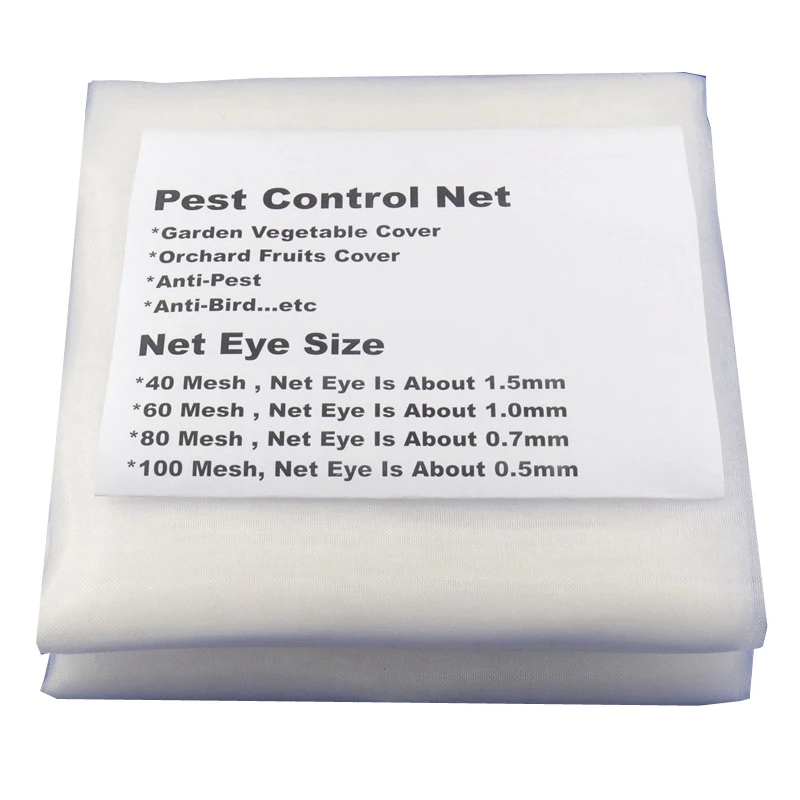
📄 Sold in Pre-Cut Sheets (Ready-to-Use Panels)
Perfect for small gardens, DIY projects, and standardized installations.
Perfect for small gardens, DIY projects, and standardized installations.
Ready to install—no cutting or measuring required
Easy to handle, transport, and store
Ideal for home gardeners, schools, and small-scale growers
Available with reinforced edges or hems for added durability
FAQ
What colors of the insect net?
It Is White Colors
What is the size of the inset net ?
The standard width:1m,1.2m,1.5m,2m,2.5,3m, Other width is customizable. Normally 100m or 200m Per Roll
What is the lifespan of the shade net?
Under normal outdoor conditions, our shade net lasts 5-8 years thanks to UV-stabilized virgin HDPE material。
How do I choose the right shade net for my needs?
Select the Shading Rate
30%-50%: Light-sensitive vegetables (lettuce, spinach), partial shade ornamentals.
50%-65% (Most Versatile): General vegetables (tomatoes, peppers), many flowering plants.
70%-85%: Heat-sensitive crops, nurseries, patios, parking lots.
90%-95%: Shade-loving plants, intense sun regions, privacy screens.
How does the color of shade netting affect plant growth?
Color is the most important factor to consider when choosing a shade net or fabric, as it greatly affects the final result. Shade nets are available in a variety of colors, but the most common are green and black. White nets reduce the amount of sunlight, making them best suited for flowering plants. Black and green nets, on the other hand, promote faster plant growth because they absorb more heat than lighter-colored nets.